Stone ground flour
Choose your dancing partner!
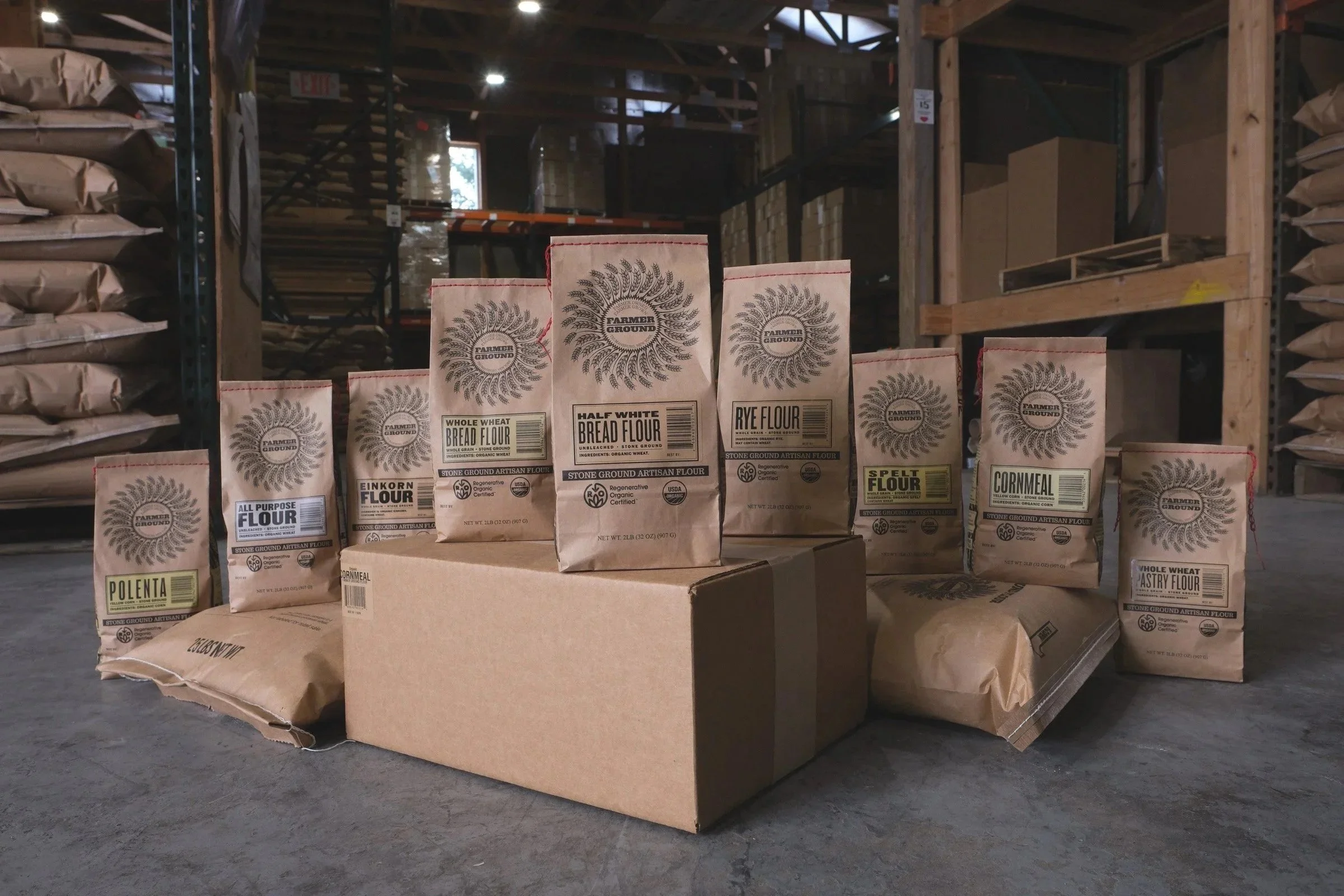
Each of one has its own individual style and character. Even our lightest flours have tiny freckles of bran — making them a shade warmer than a paper white flour. Some of the whole flours are beautifully casted by the color of the grain— they are showing off how flavorful and healthy they are.
Choose your ingredient for the baked good you have in mind— delicate, crumbly, airy, flaky, hearty, lofty?
Some of them are quite versatile.
Get to know each flour by type
Or scroll down to find them all listed together
Sifted Flours
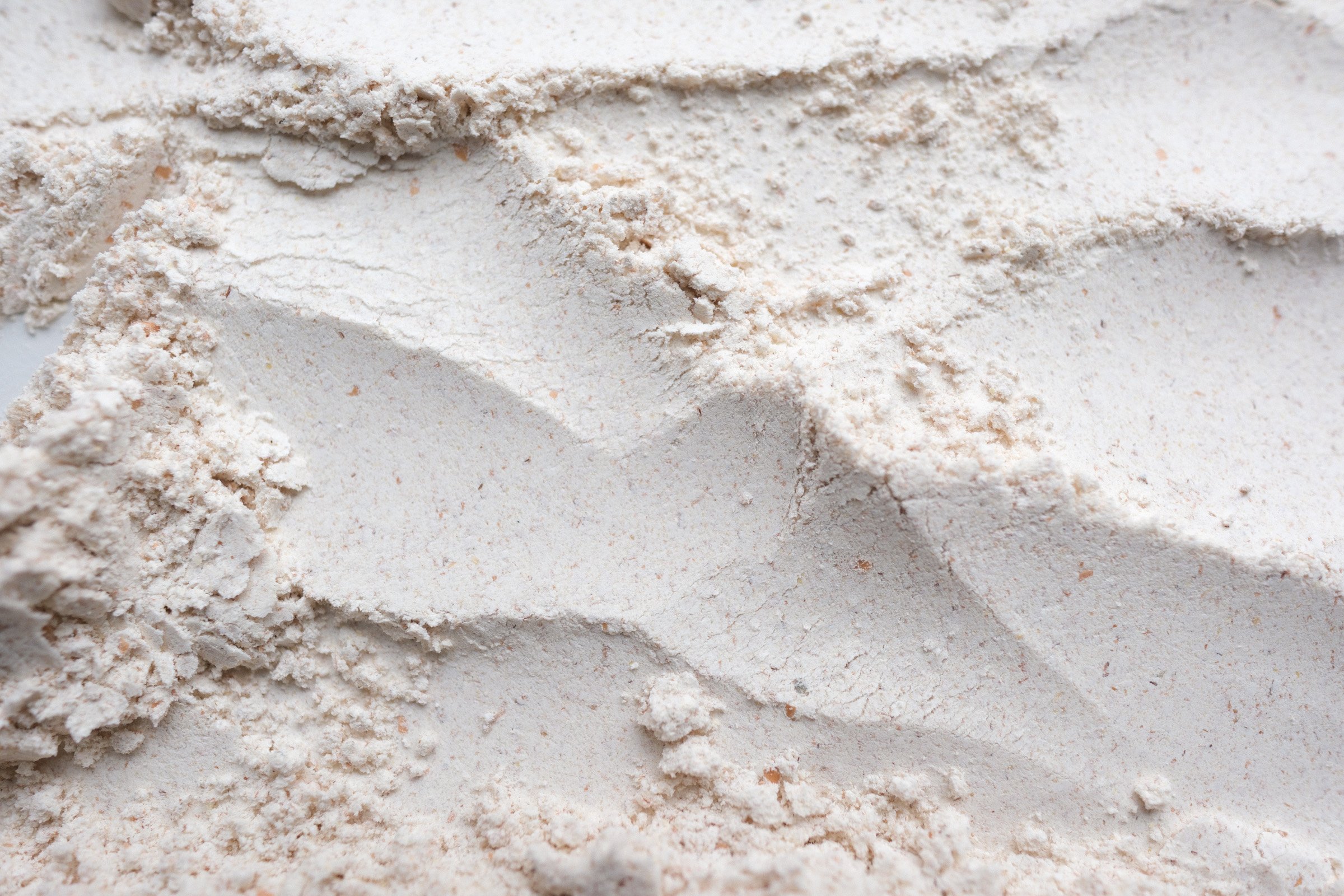
Whole Flours
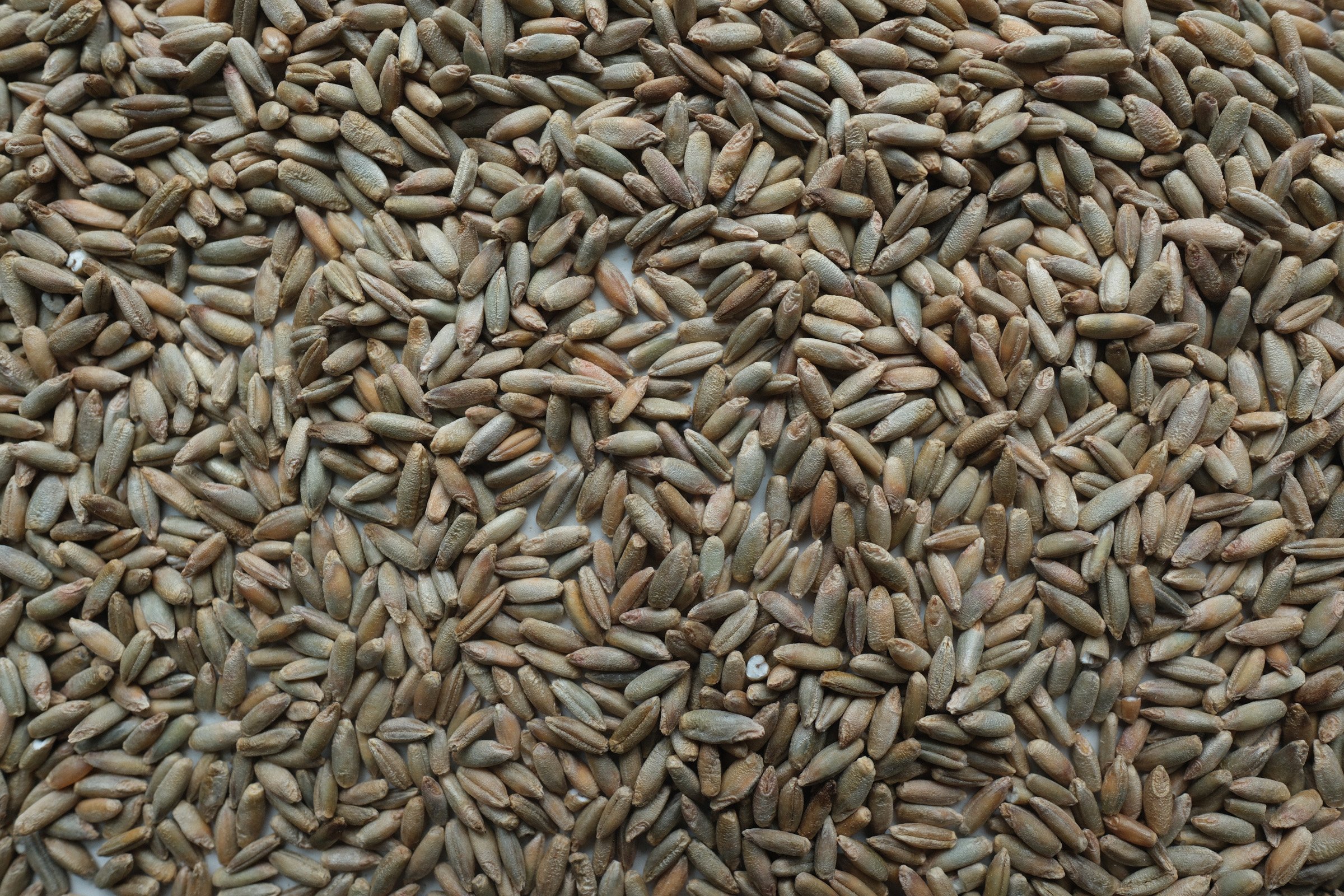
Whole Berries
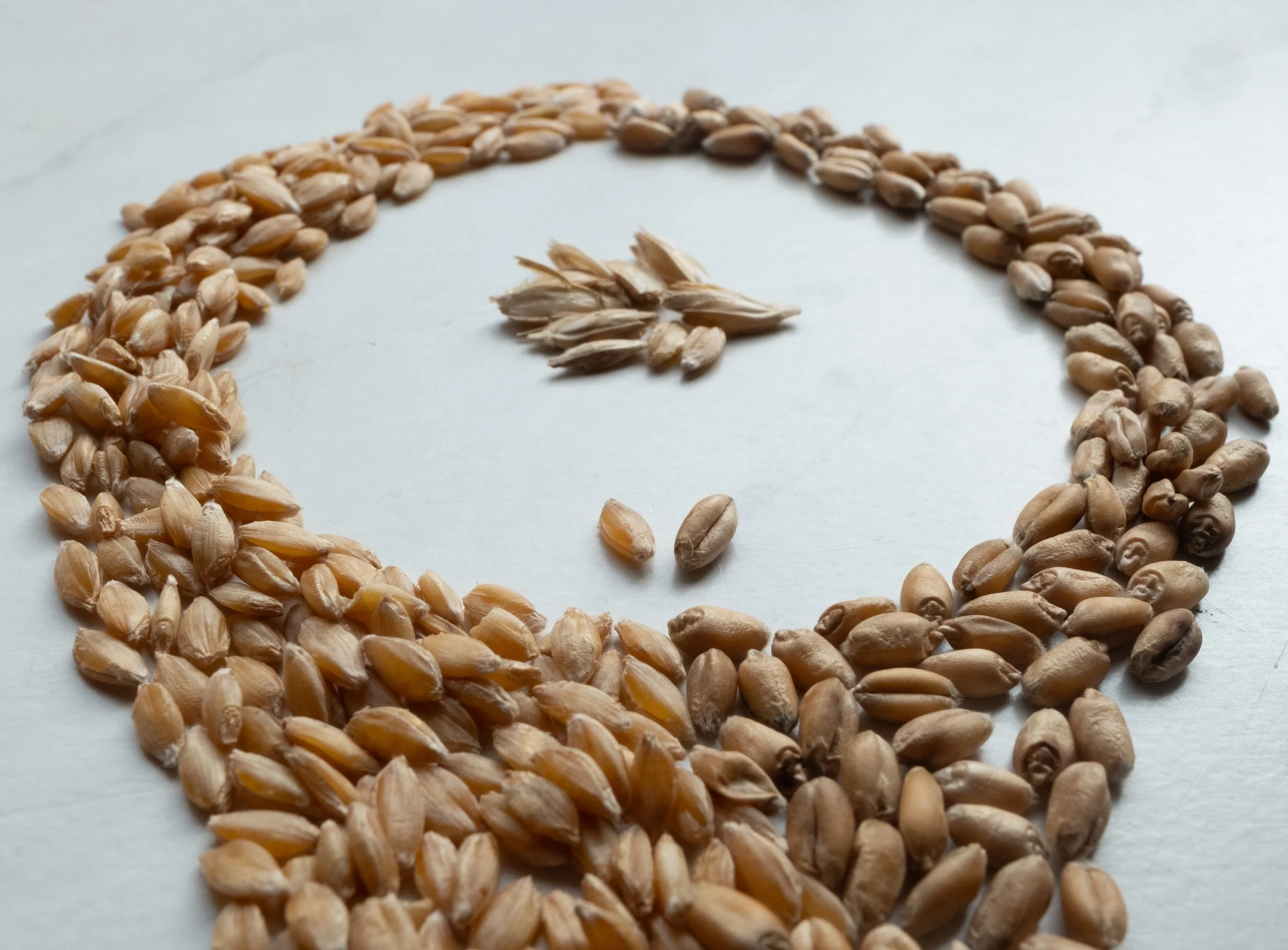
What’s the difference between sifted and whole flour?
And what does extraction mean?
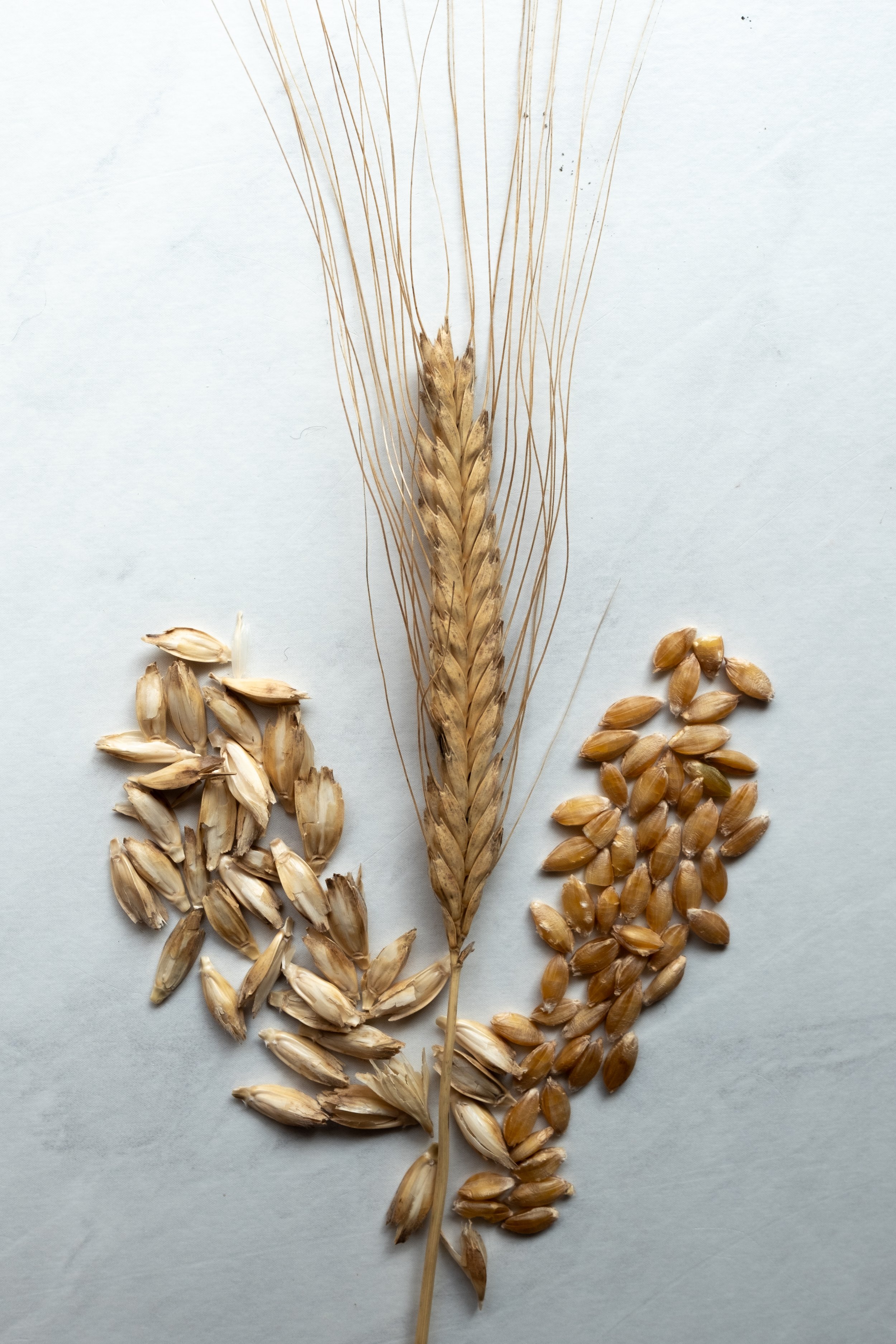
All of our flours are “whole grain”— they include the germ and the bran, which true white flours separate out.
For sifted flours we remove some of the larger bran pieces. The more we sift out, the lower the extraction % of the flour—think “less of the whole”.
Sifted Flours
Sifted Flours go through fine screens to take out the large and medium bran pieces.
Examples: All Purpose Flour, White Pastry Flour, Bread Flour
Each Sifted Flour is 85% extraction
A lower percentage of the grain that goes into the mill, ends up in the bag.
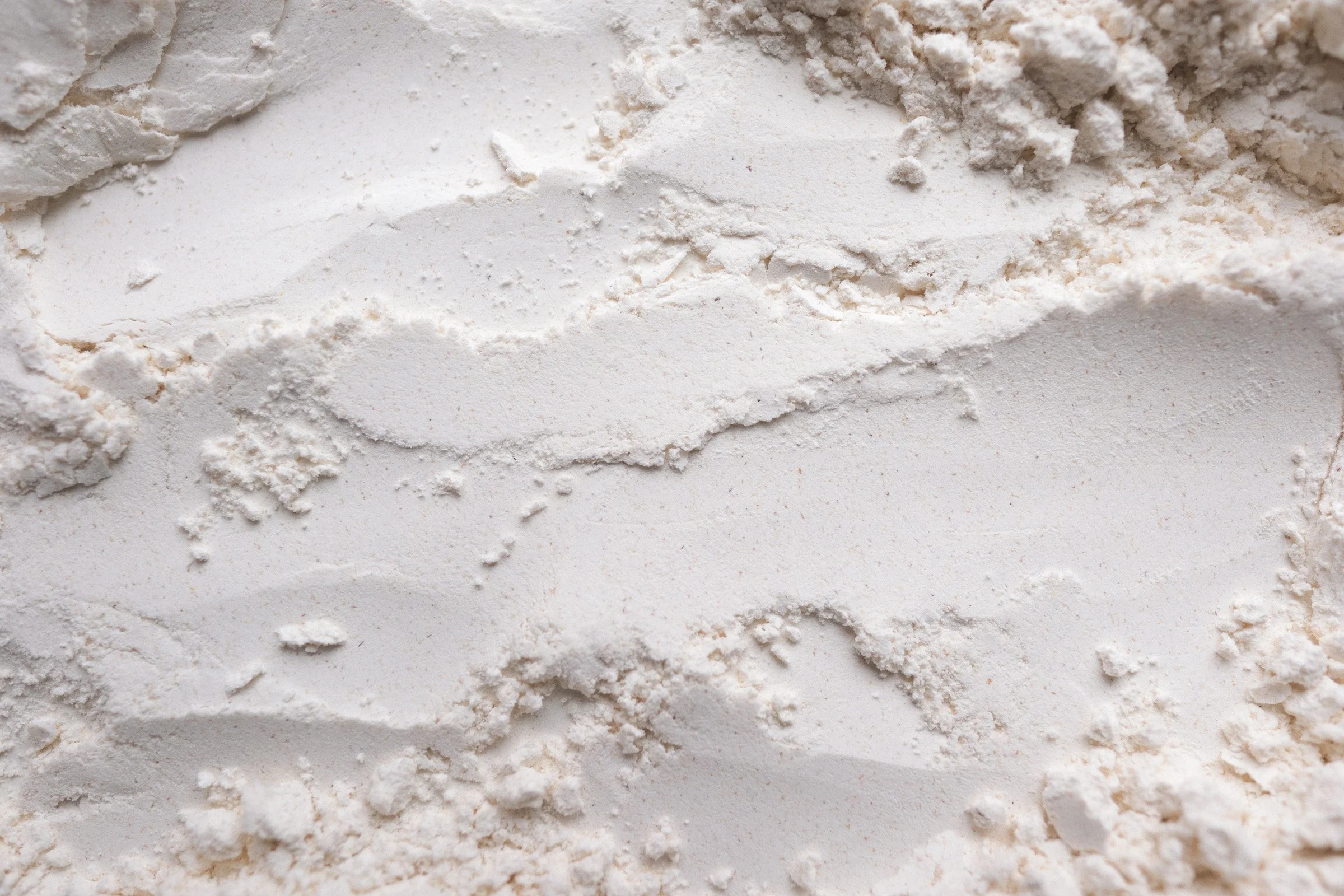
These flours are lighter in color and powdery
Whole Flours
Whole Flours go through larger screens to take out only the really big bran particles.
Examples: Whole Wheat Bread Flour, Einkorn
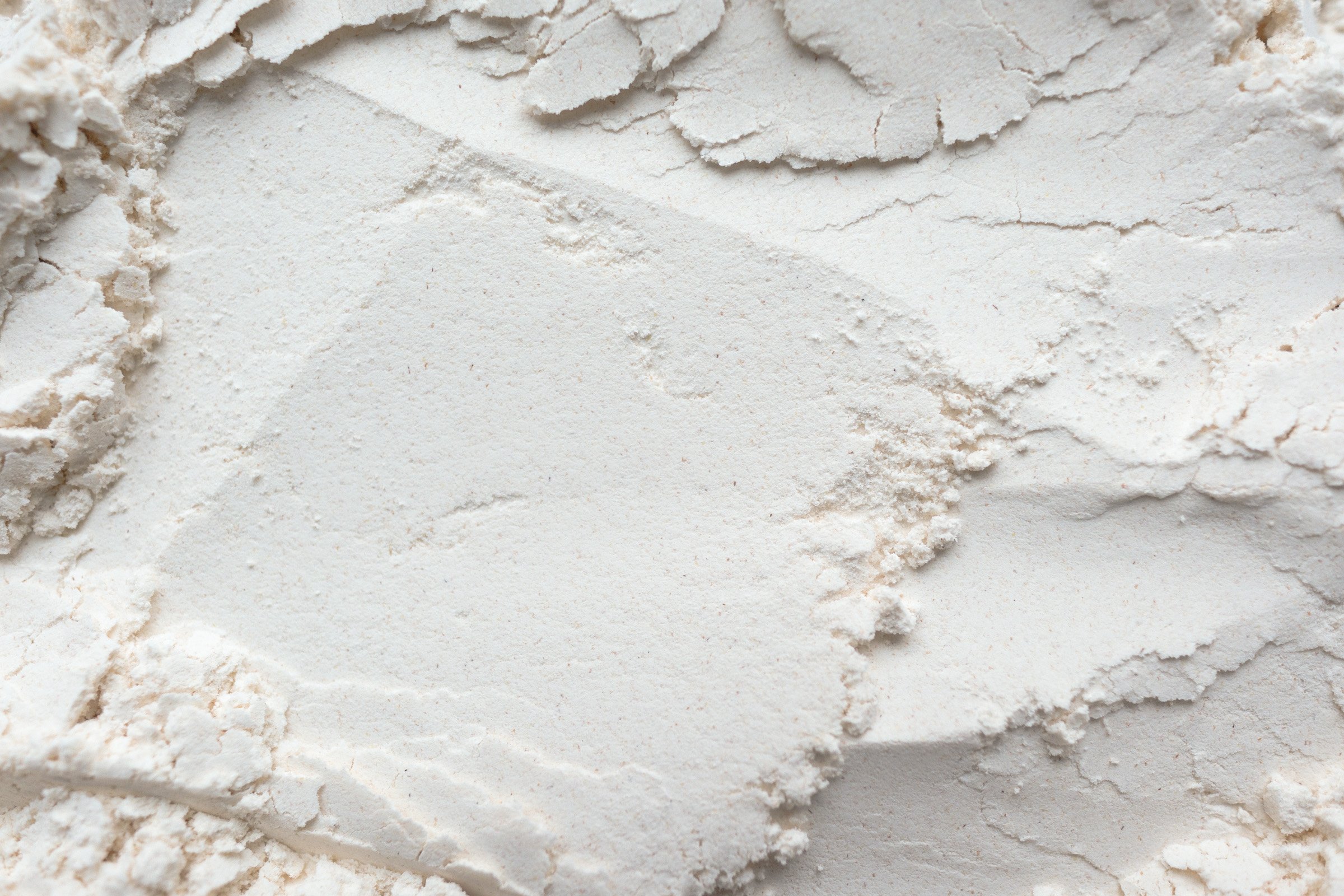
If you flatten these flours on a surface, you will see larger flakes of bran.
Each Whole Flour is 99% - 100% extraction
These flours are more nutritious and flavorful!
Try some of these recipes and for the love of the field, experiment with ancient grains!
External recipes are linked for reference and inspiration. We do not claim ownership of third party content.
-
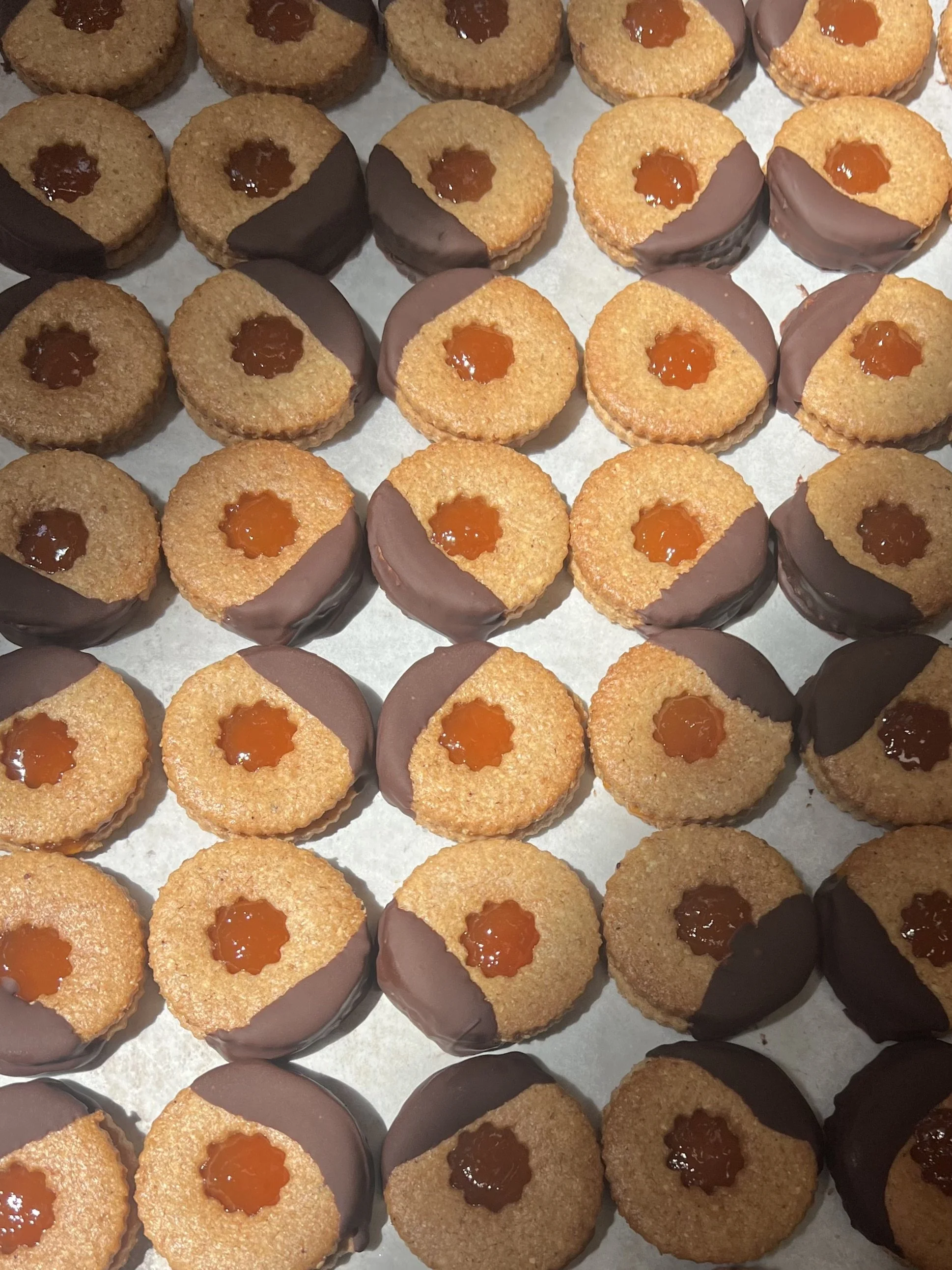
![Close-up view of numerous round spelt cookies with a half-dipped chocolate coating on part of each and orange fruit jam in the center.]()
Farmer Ground Spelt Linzer Cookies
Developed by Eliza Stanley at Wide Awake Bakery
-
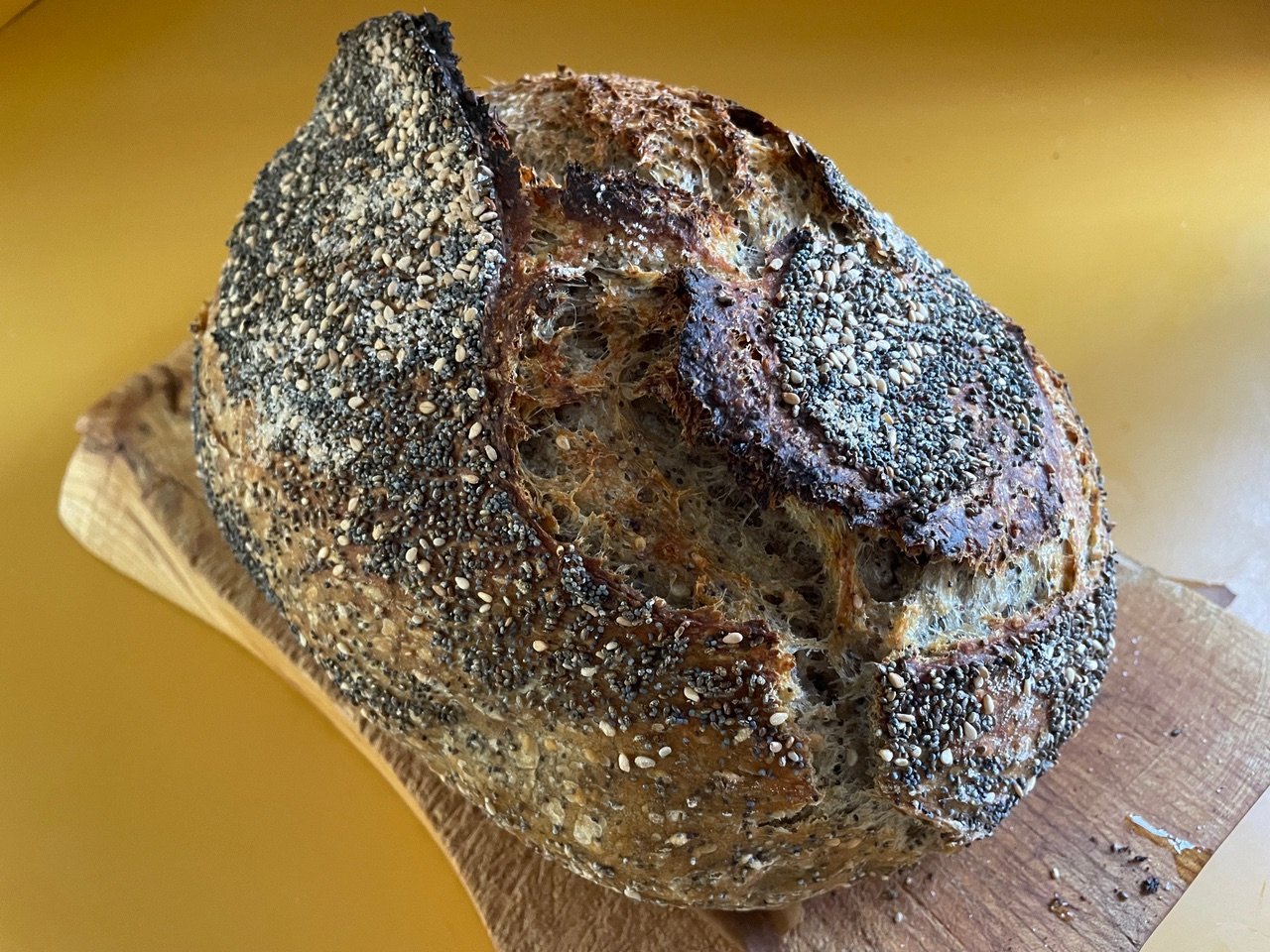
![A round loaf of artisan bread with a crust covered in sesame and poppy seeds, resting on a wooden surface.]()
Home Baked Seeded Sourdough
Adrian Sampson is a fantastic local home baker who loves the flavor of our flour. Read how he adapted this home bake recipe from the blog, Breadtopia.
-
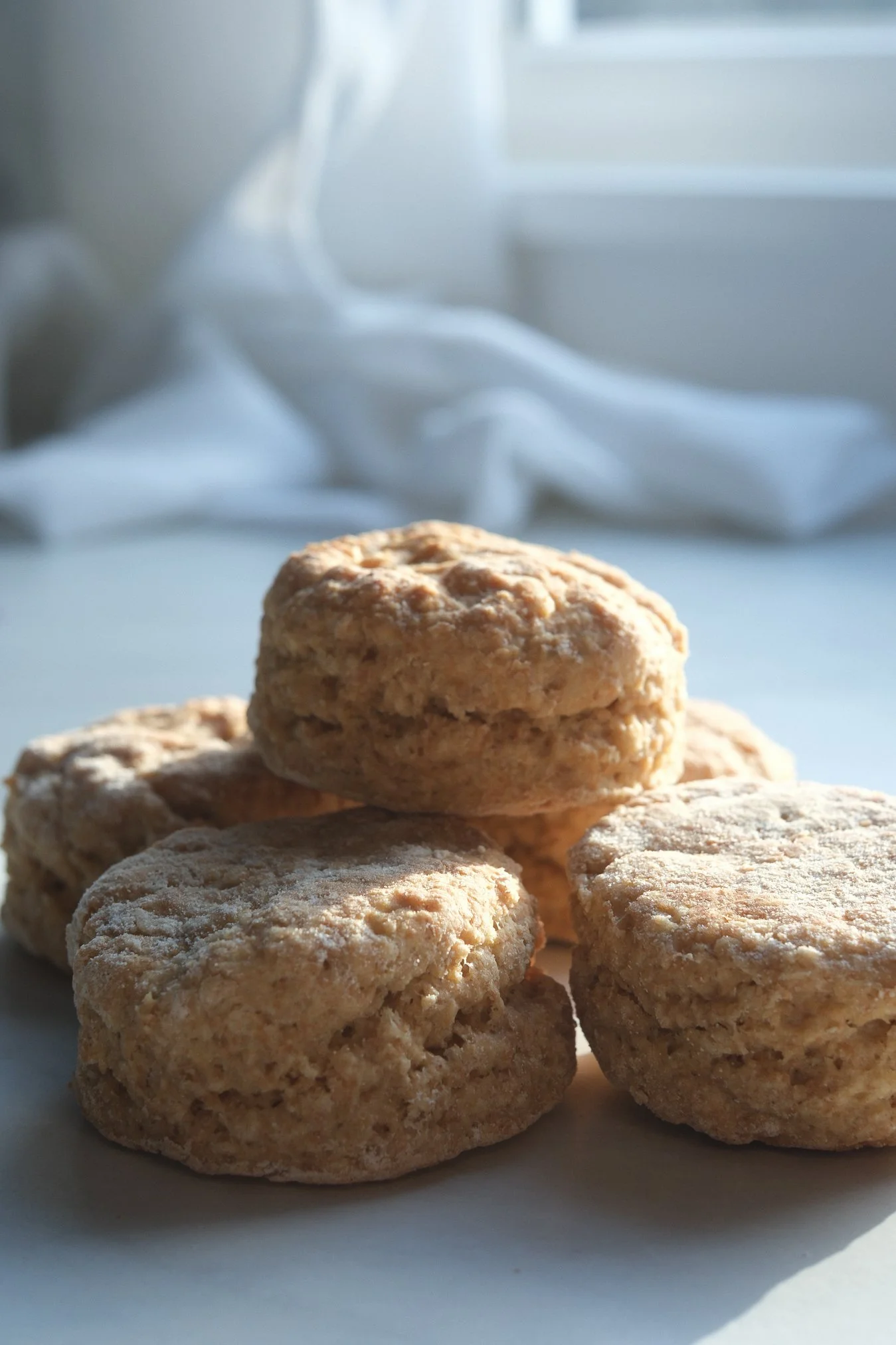
![A plate of five biscuits with a light dusting of flour, set on a white surface near a window with soft natural lighting.]()
Country Side Market Einkorn Recipes
We asked our neighbors at a near by country market to share their favorite Einkorn recipes
-
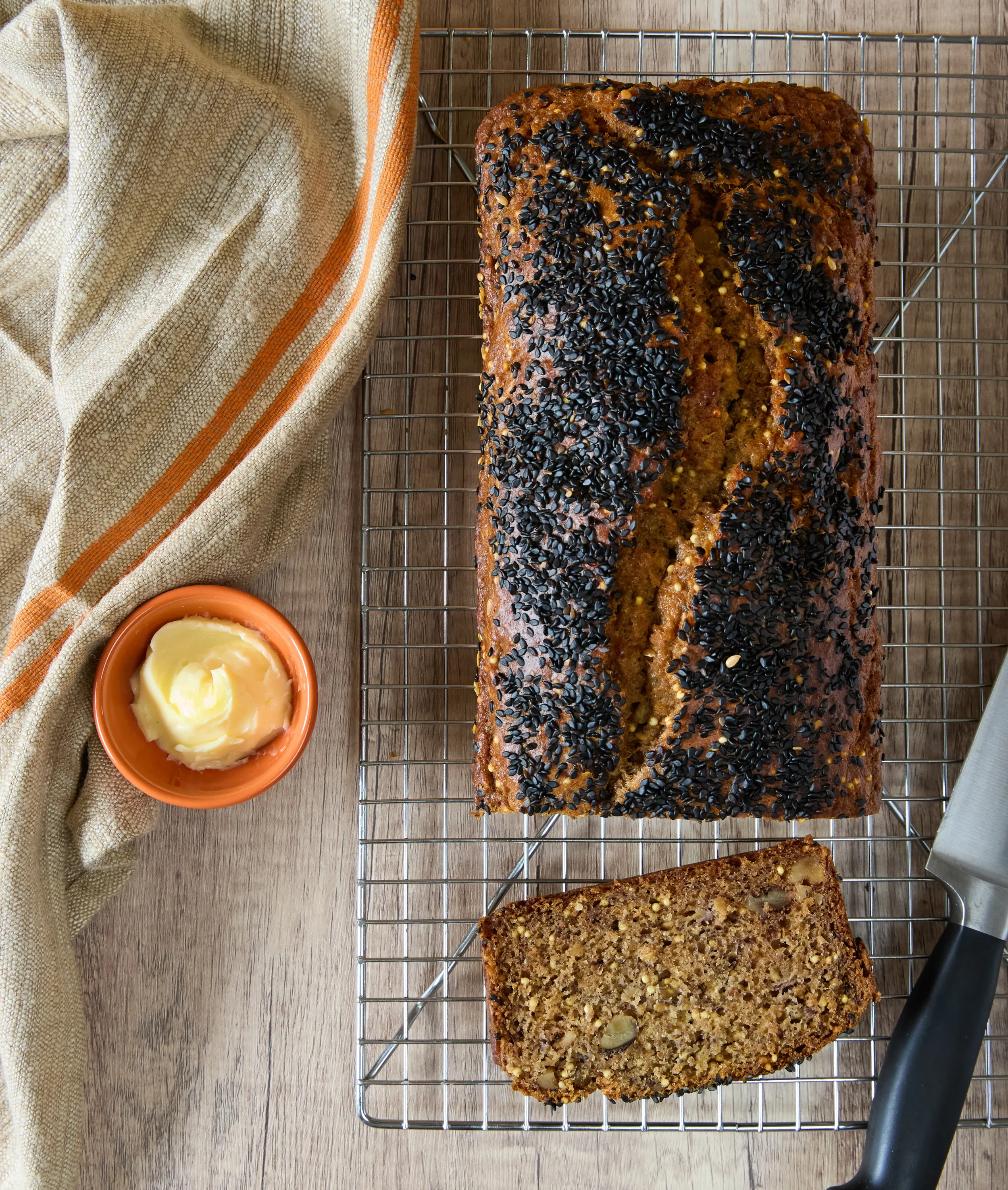
![Chocolate chip banana bread on a wire rack with a slice cut and placed in front. A small bowl of butter nearby, with a beige and orange striped towel on the left.]()
Lexi's Banana Bread
By Lexi Smith and our friends at Unified Mills
-
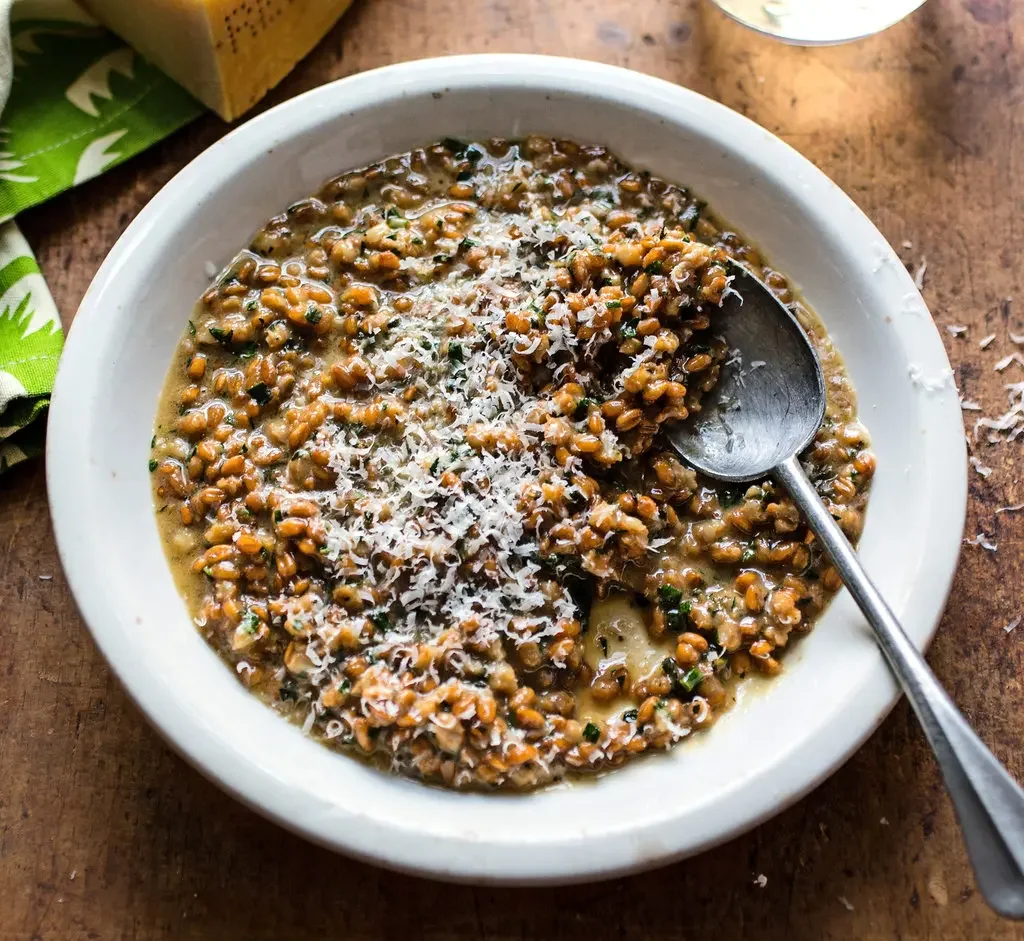
![Bowl of cooked whole wheat berries topped with grated cheese on a wooden table.]()
Einkorn Risotto with Fresh Herbs
A great recipe for cooking with whole Einkorn berries, from the NY Times Cooking
-
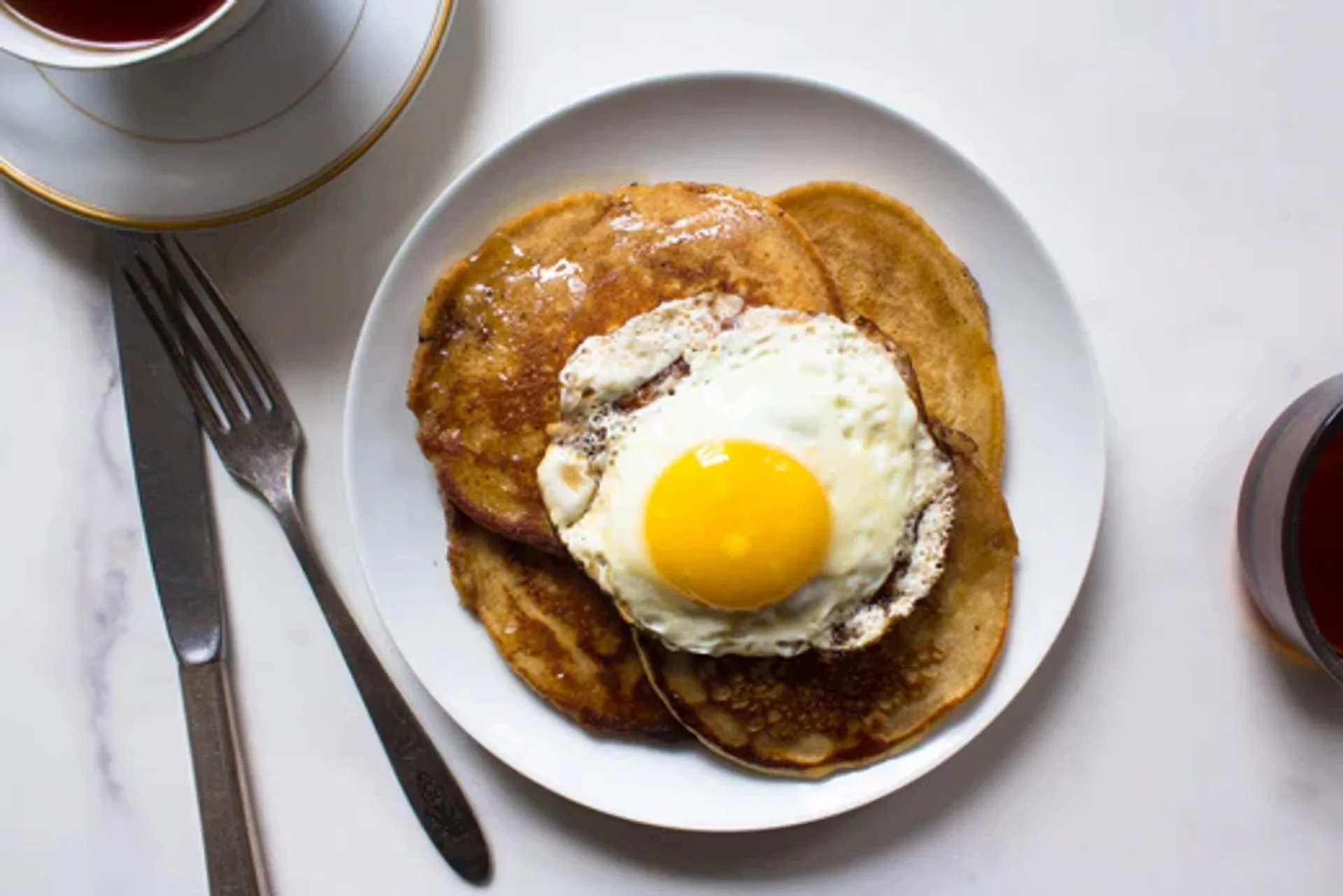
![A plate of breakfast featuring pancakes topped with a fried egg, accompanied by a fork and knife, a cup of tea, and a glass of juice.]()
Einkorn Buttermilk Pancakes
From our friends at Farm to People
-
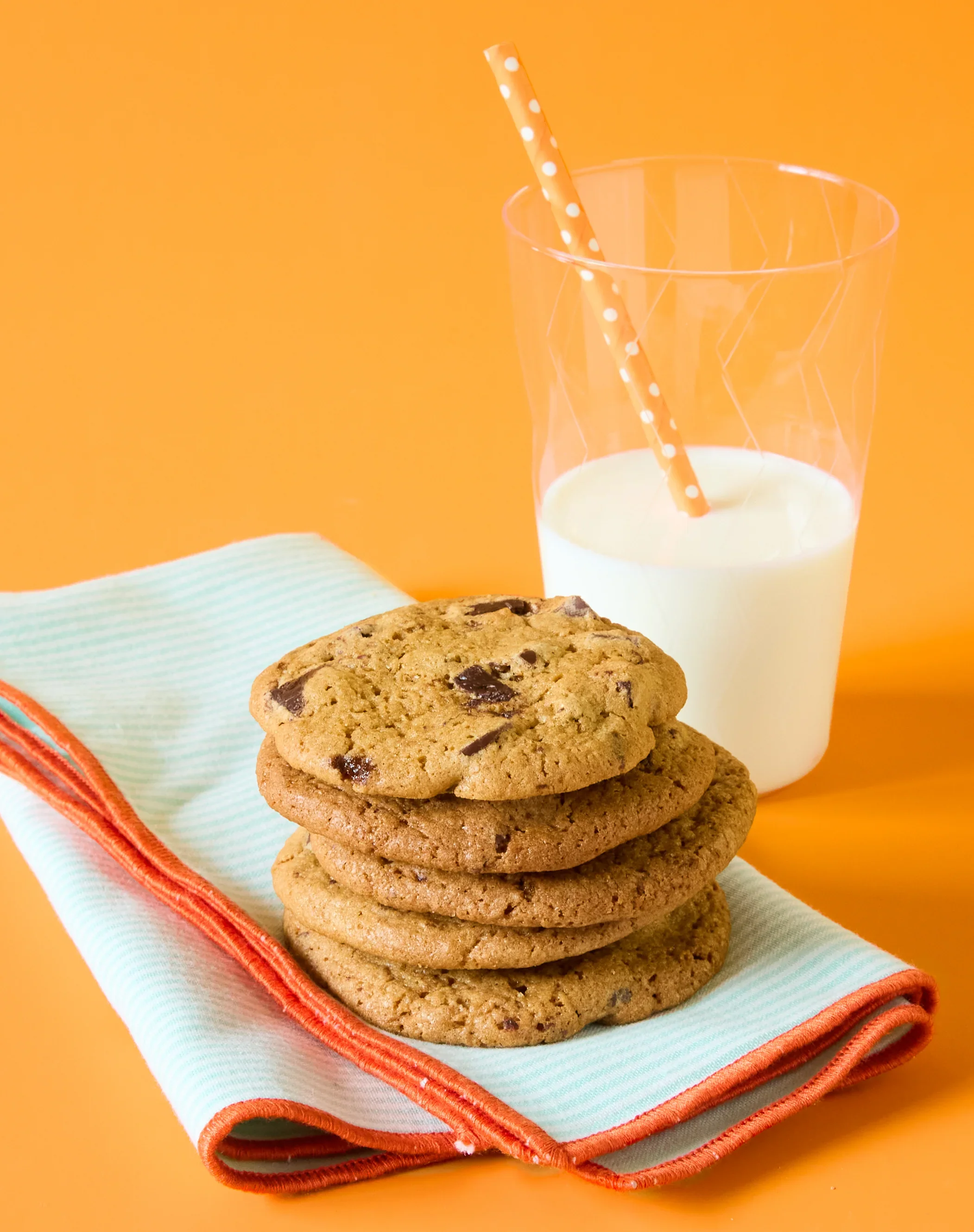
![A stack of five chocolate chip cookies on a cloth napkin next to a glass of milk with a straw, set against an orange background.]()
Peter's Chocolate Chip Einkorn Cookies
From Peter Endriss of Runner and Stone
Our organic flour is the most flavorful when fresh. The “best by” date is one year after milling.
Everything from our corn mill is “best by” eight months after milling. Whole berries can be kept for over a year if they are sealed from pests and stored properly.
Store in a cool, dry place.
You may also transfer the flour to an air-tight container and refrigerate or freeze for long-term storage.
Frequently Asked Questions
-
We do not sell directly online. Please see our retail map to find the nearest store that carries our flour.
Many retailers do not carry all of our flours or they may be out of stock. Be sure to call ahead to confirm which flours are available.
-
No, we try to connect businesses to our distributors. If you are interested in ordering large amounts (1,000lbs or more) on a regular basis, we can try to coordinate selling directly, so please contact us.
-
Ask your local food co-op to special order it for you!
-
If you’re looking for a particular flour and planning a special trip to buy it, we would always suggest calling ahead to the store you plan to visit. While we do our best to keep it current, our list of retailers is always subject to change. Very few retailers carry all of our products, and what they do carry may be out of stock on a given day. If you need something in particular, many co-op type stores can special order a 25 lb bag for you. You can always let your local store know that you would appreciate it if they started carrying a particular flour, or kept it stocked more frequently!
Demand brings supply.
-
Our flour is raw and pure. We use certified organic grains and our process begins and ends with stone milling. It takes under a minute for grain to go through our granite mills and sifters, ready to be bagged. Our flour is unbleached, non bromated, and has nothing added. The flour stays naturally rich in nutrients due to the bran (the shell of the grain) and germ remaining in the milling process. It all gets milled into the bag, giving our flour its creamy warm color.
-
Half White / High extraction Bread Flour: 12%
Whole Wheat Bread Flour: 12%
All-Purpose Flour: 10%
Pastry Flour: 8%
Products like Rye, Spelt, and Einkorn are “ancient grains”. Their gluten-protein is less evolved, so it does not act the same in baking, and is thus less important information for the baker.
-
Short answer: This is the name of our sifted bread flour.
Long answer: We use the terms “high extraction” and “half white” interchangeably for our sifted bread flour. It is a flour milled from a carefully mixed selection of hard wheat varieties, and then sifted to remove large pieces of bran to improve baking characteristics.
We don’t call our flour “white” (although be aware that several retailers do label it that way on the shelf!) because it is produced very differently than commercial white flour. Modern commercial mills use roller milling to remove 100% of the bran and germ (the healthiest parts) from the endosperm (the starch) before milling the endosperm into that paper white flour. Sometimes this flour is even bleached for whiteness. These flours will last on the shelf indefinitely because they have little nutritional value. After the removal of the bran and germ, this process yields about 70lb of flour from 100lb of grain, so it is also called 70% extraction.
Our process of just sifting out the large pieces of bran yields about 85lb of flour from 100lb of grain, aka 85% extraction or High Extraction compared to white flour.
The name “half white” comes from the flour being about half way between commercial white flour and whole wheat flour (which is 100% extraction).
-
They are actually milled the exact same way, from the same grain (see “What is your “high extraction” flour?” above for more details on that), but then we just skip the sifting. So 100lb of grain yields 100lb of flour, aka 100% extraction. So all the nutritional value of the grain is transferred into the flour, but there will also be larger flakes of bran in the final product.
-
Your certainly can! If you are used to using another brand of white bread flour, but are interested in something more flavorful, start by mixing our flour in smaller amounts to see if you notice any changes in your bakes structurally. Because stone milled flour acts a little differently we recommend experimenting and also reading our best practices guide, for things to pay attention to!