Whole
Flours
Frequently Asked Questions
-
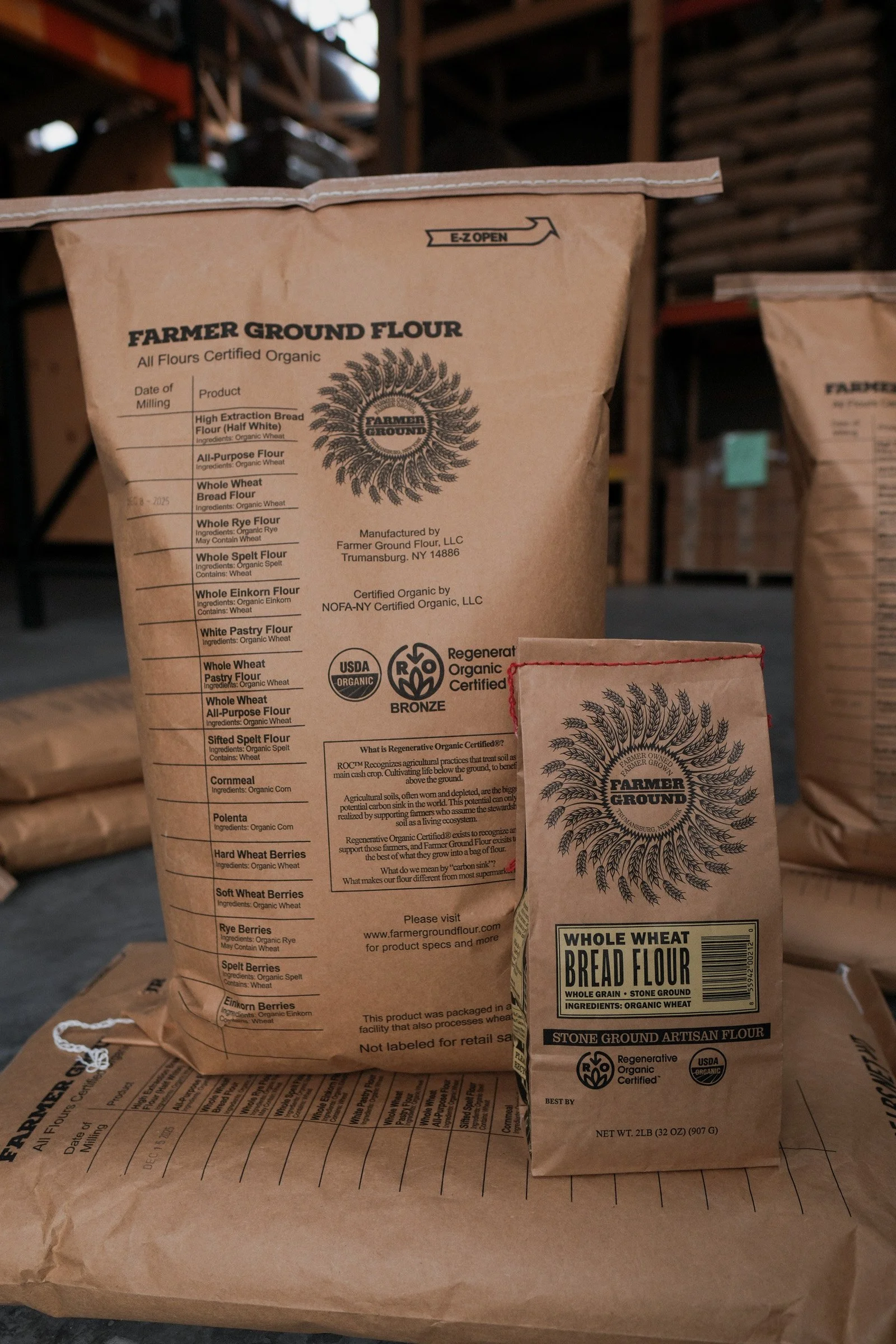
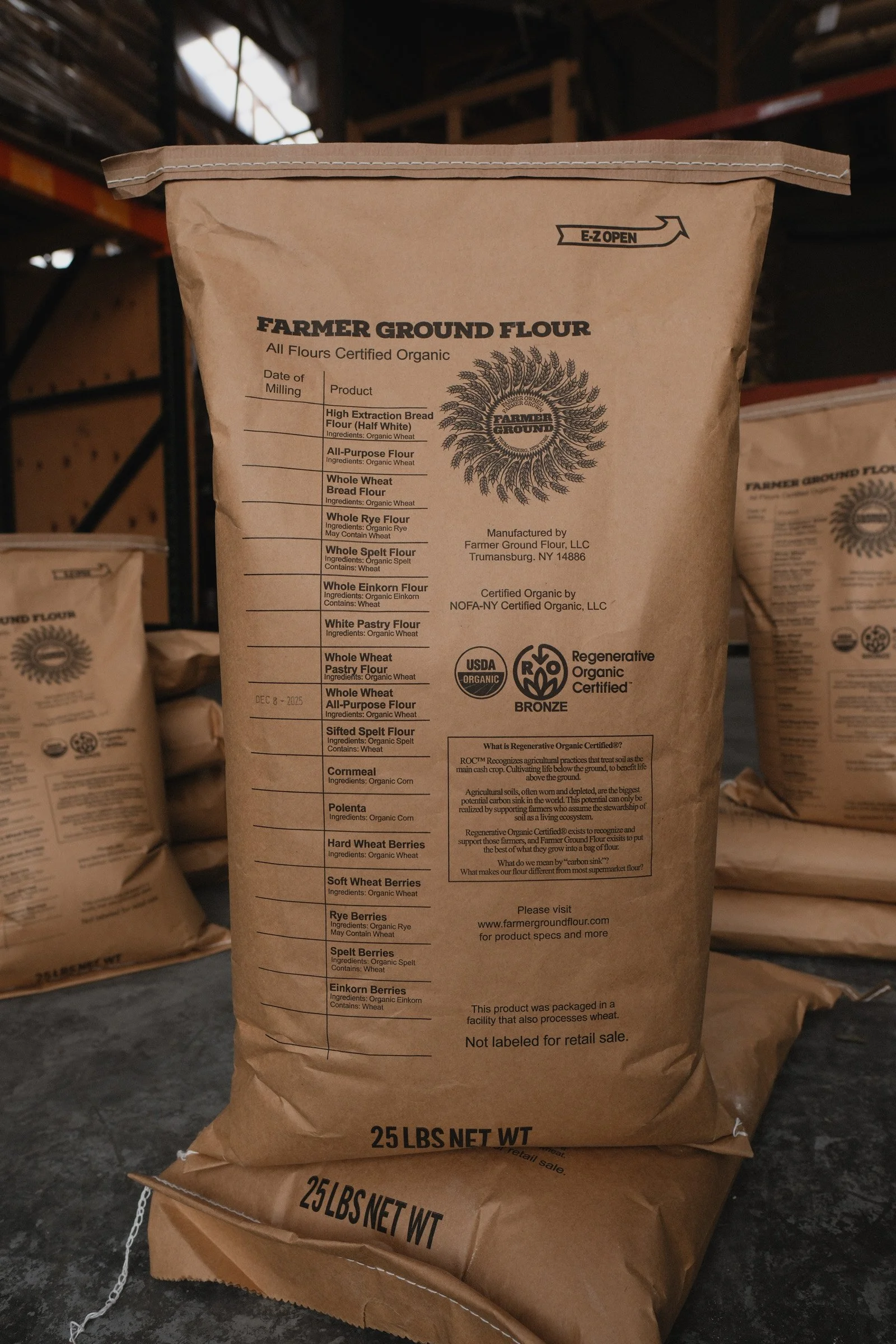
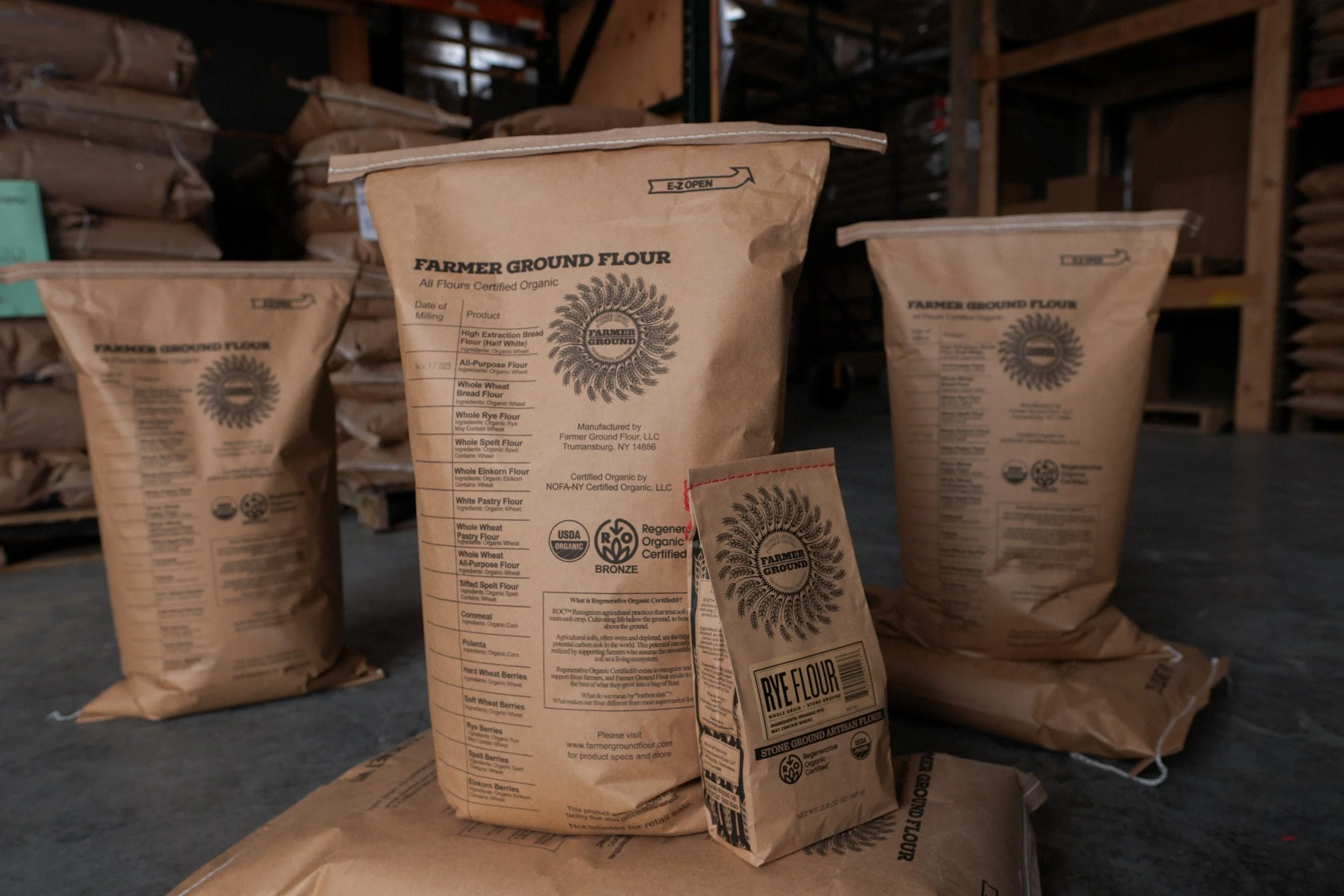
We do not sell directly online. Please see our retail map to find the nearest store that carries our flour.
Many retailers do not carry all of our flours or they may be out of stock. Be sure to call ahead to confirm which flours are available.
-
No, we try to connect businesses to our distributors. If you are interested in ordering large amounts (1,000lbs or more) on a regular basis, we can try to coordinate selling directly, so please contact us.
-
Ask your local food co-op to special order it for you!
-
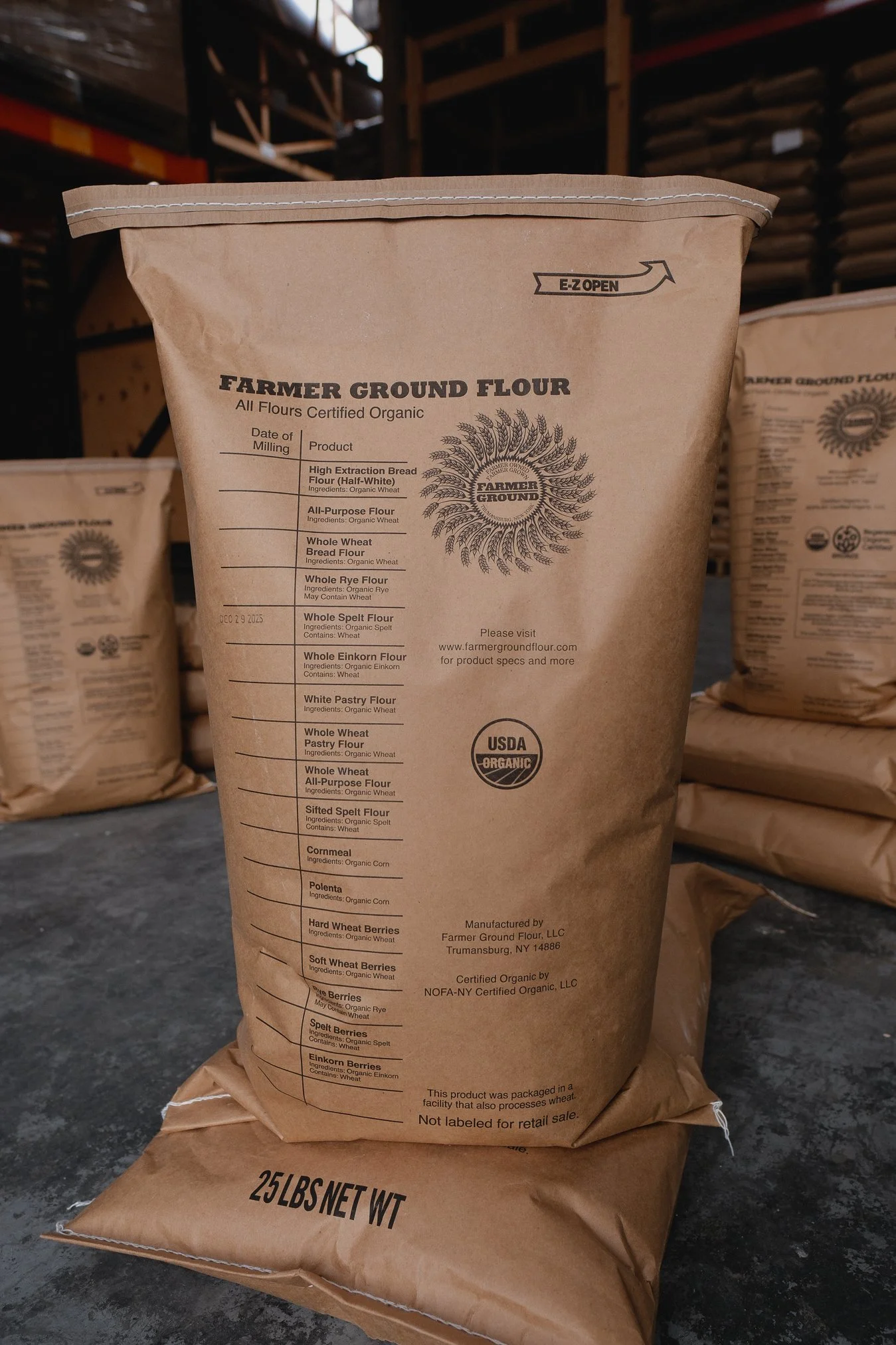
If you’re looking for a particular flour and planning a special trip to buy it, we would always suggest calling ahead to the store you plan to visit. While we do our best to keep it current, our list of retailers is always subject to change. Very few retailers carry all of our products, and what they do carry may be out of stock on a given day. If you need something in particular, many co-op type stores can special order a 25 lb bag for you. You can always let your local store know that you would appreciate it if they started carrying a particular flour, or kept it stocked more frequently!
Demand brings supply.
-
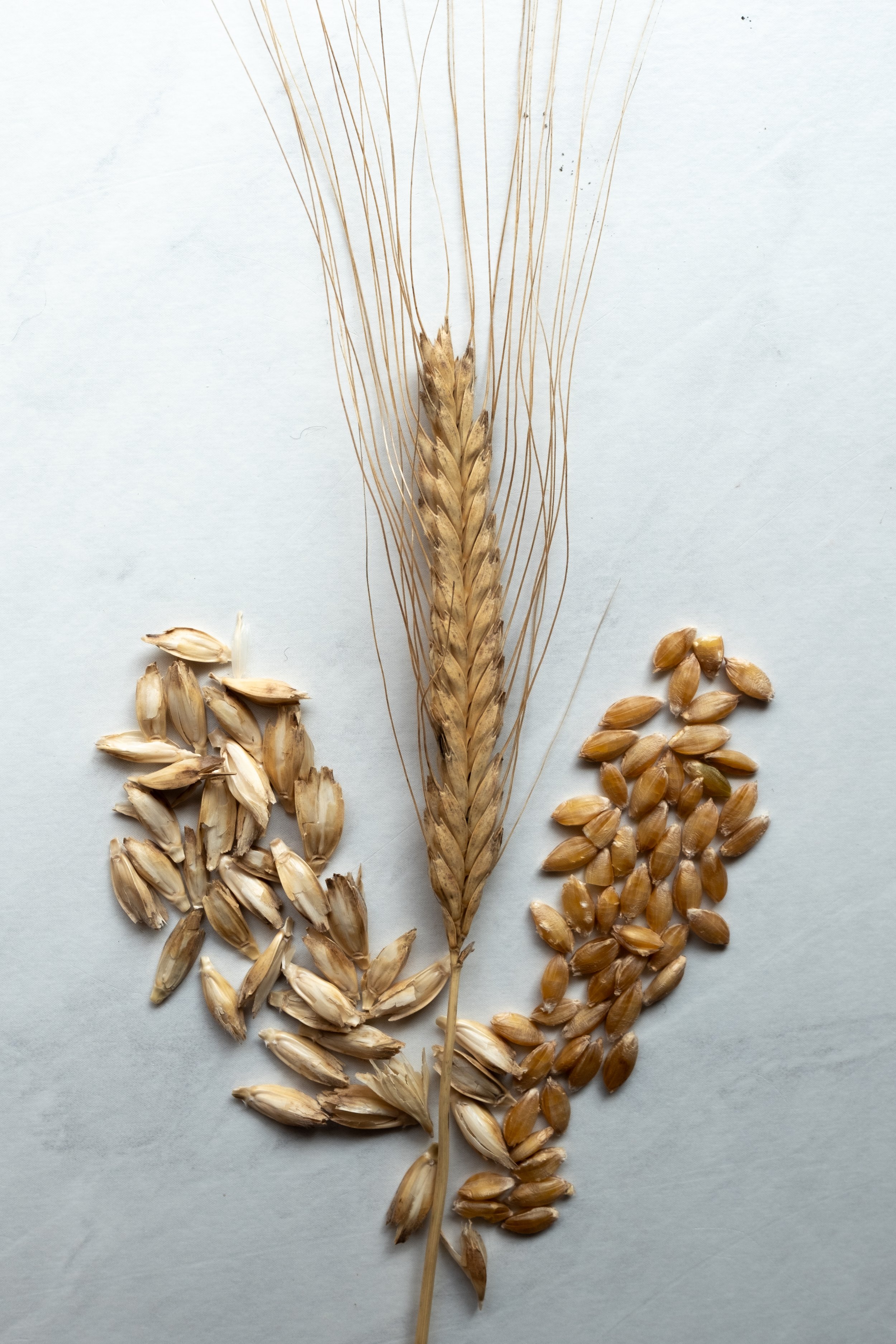
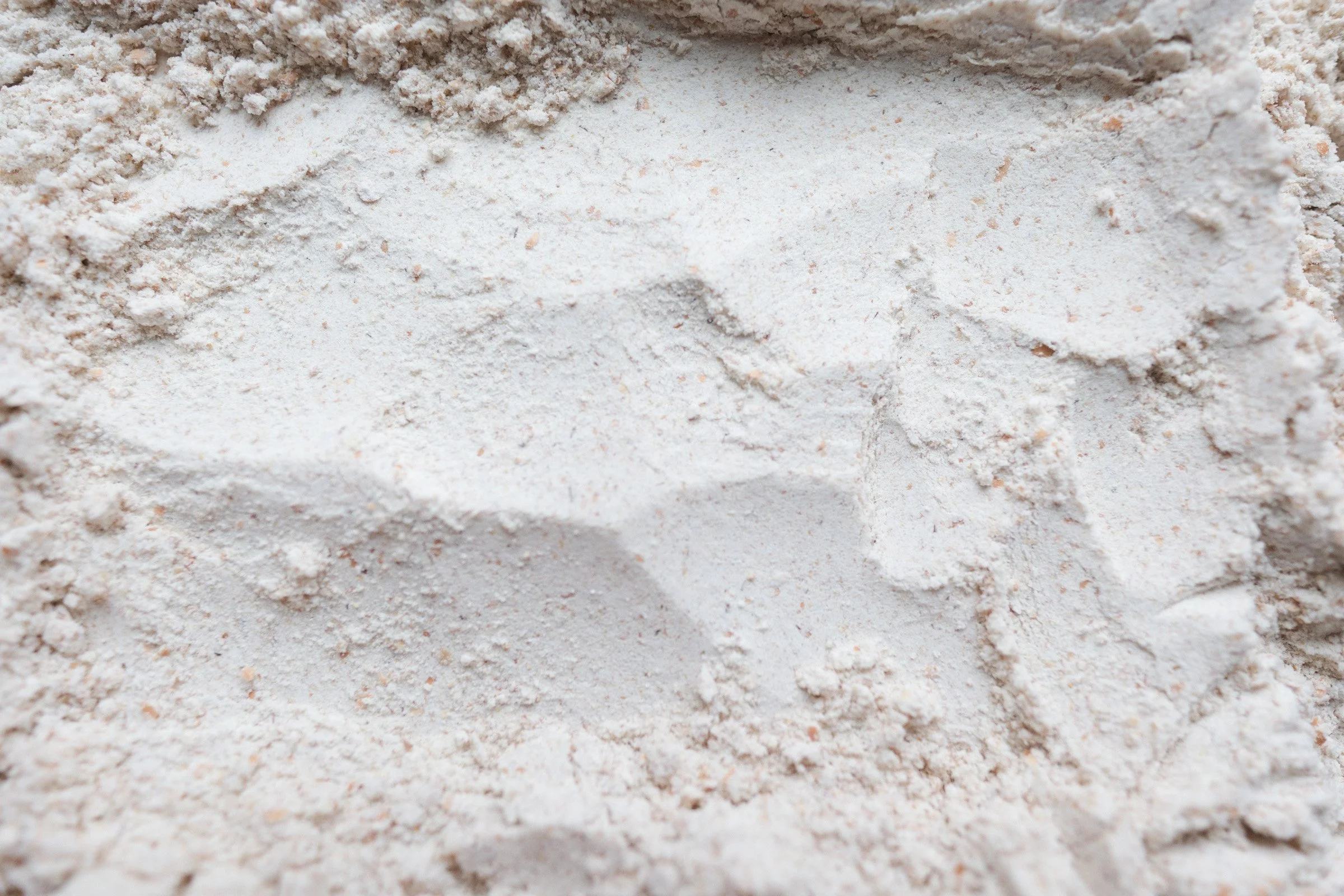
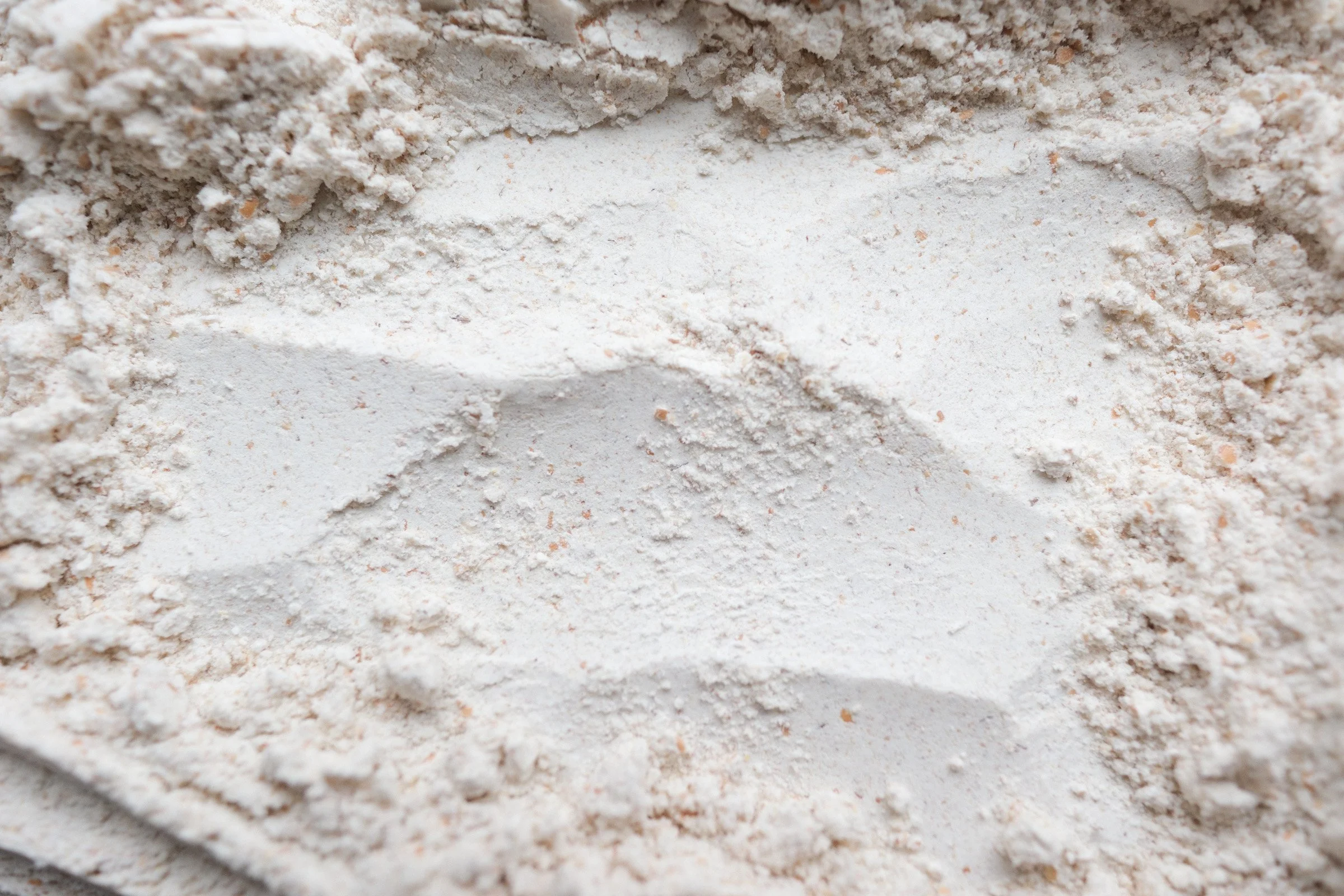
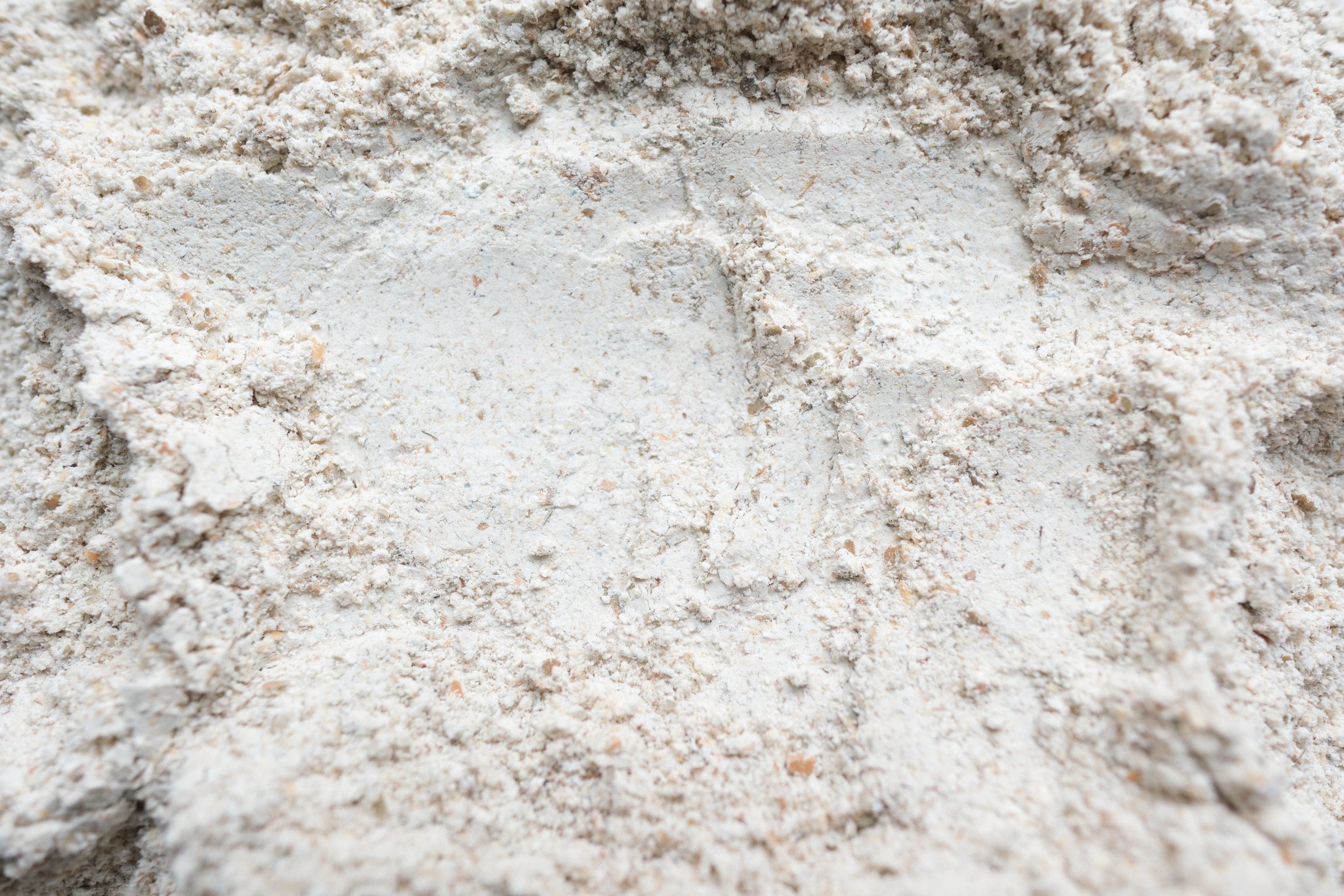
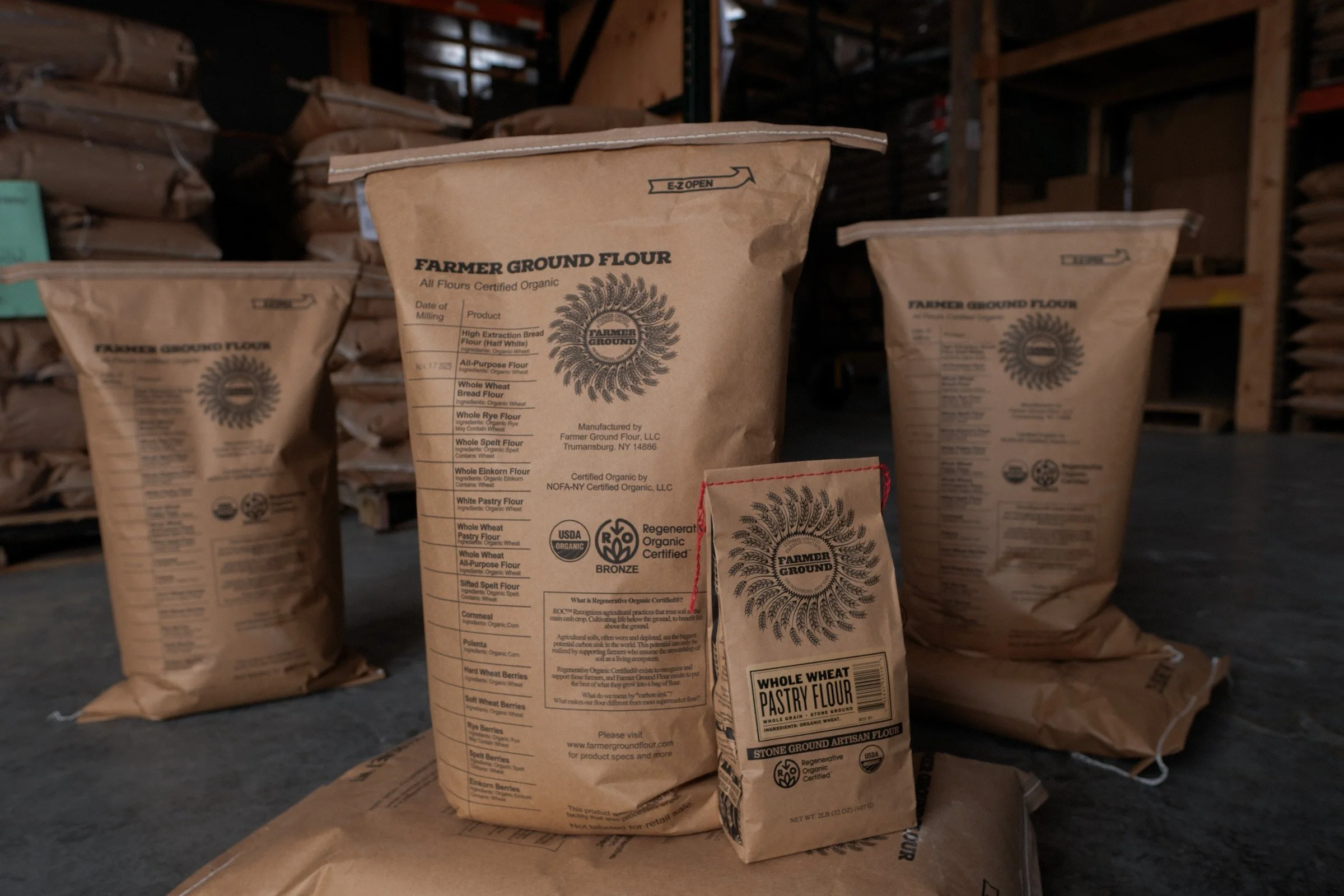
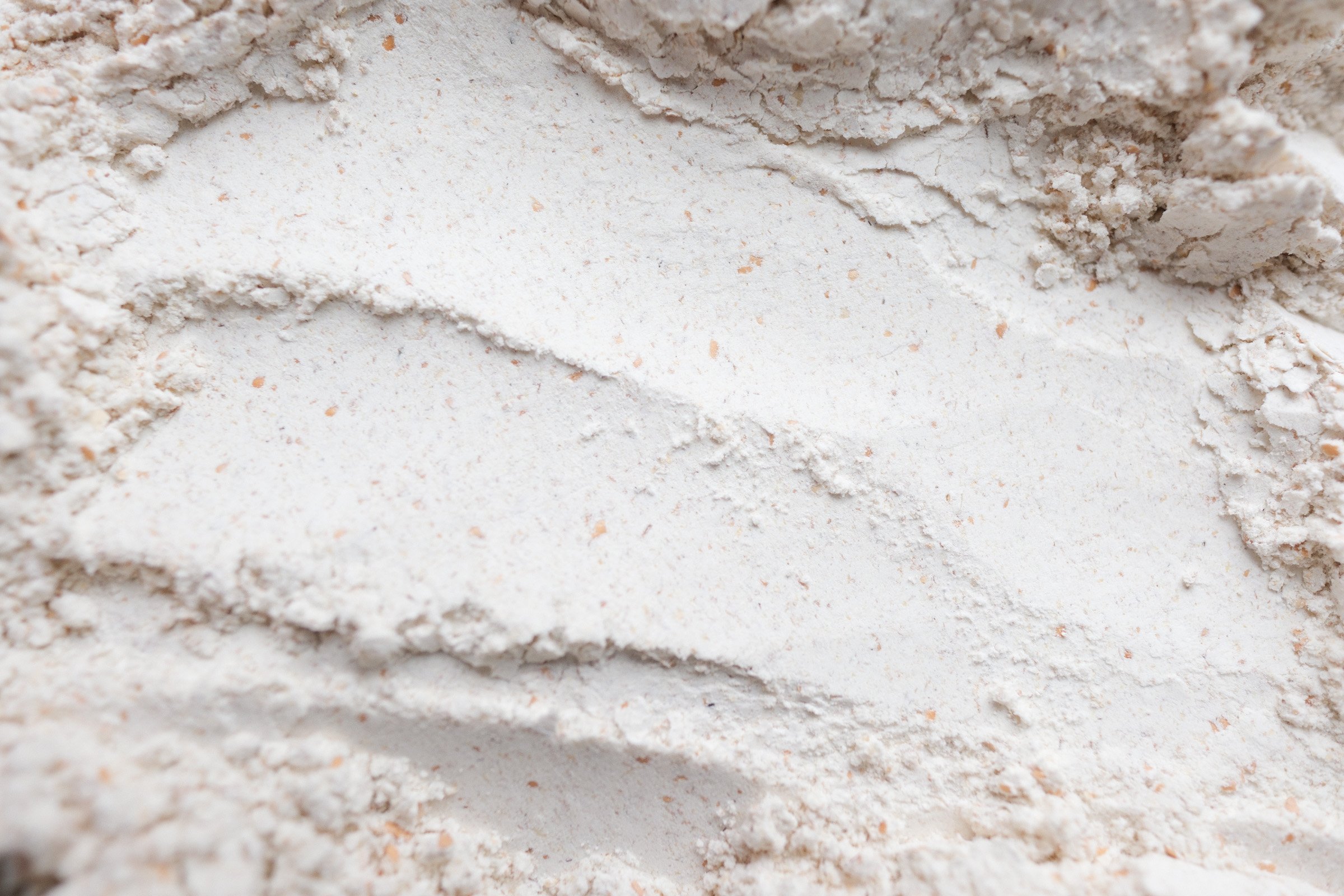
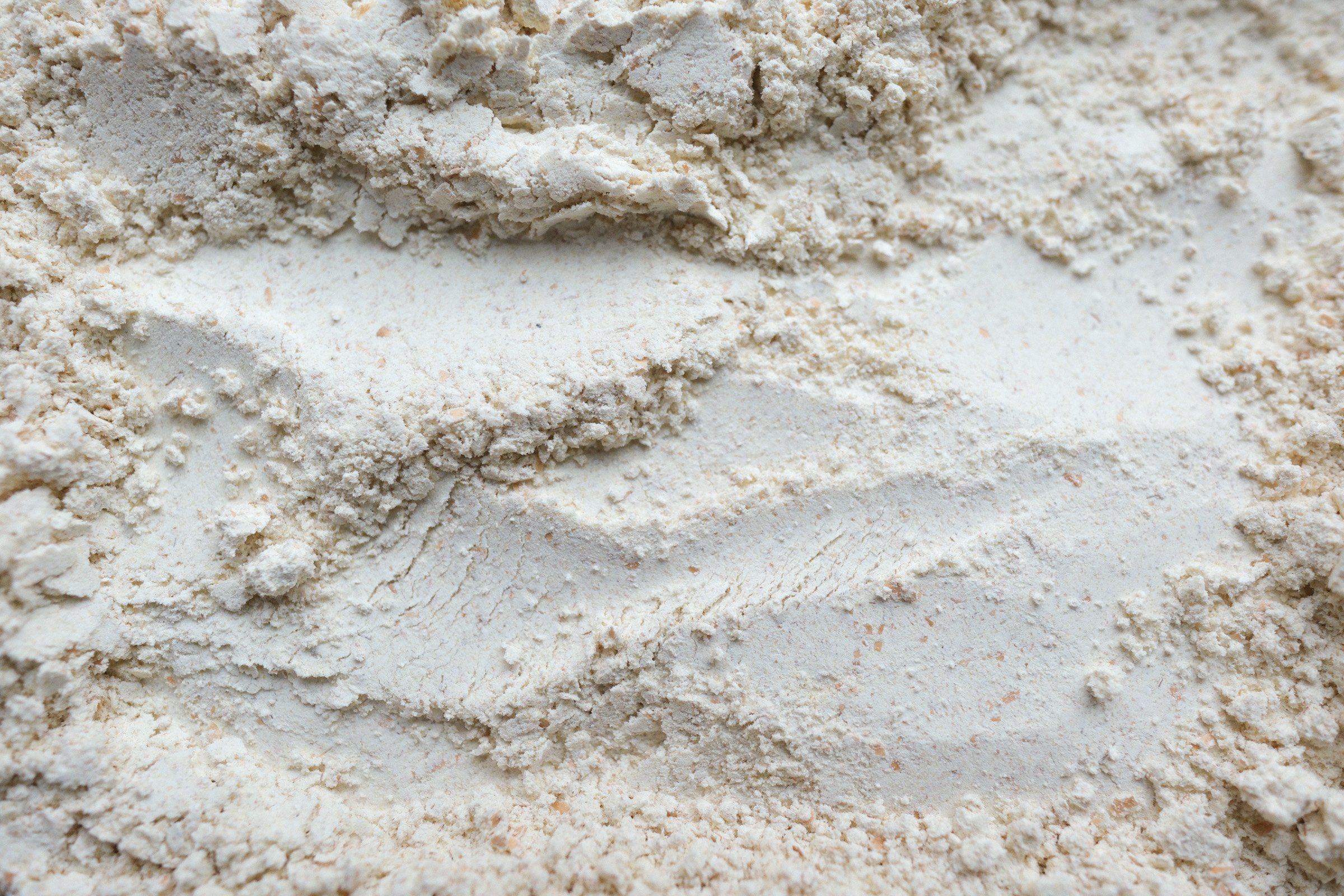
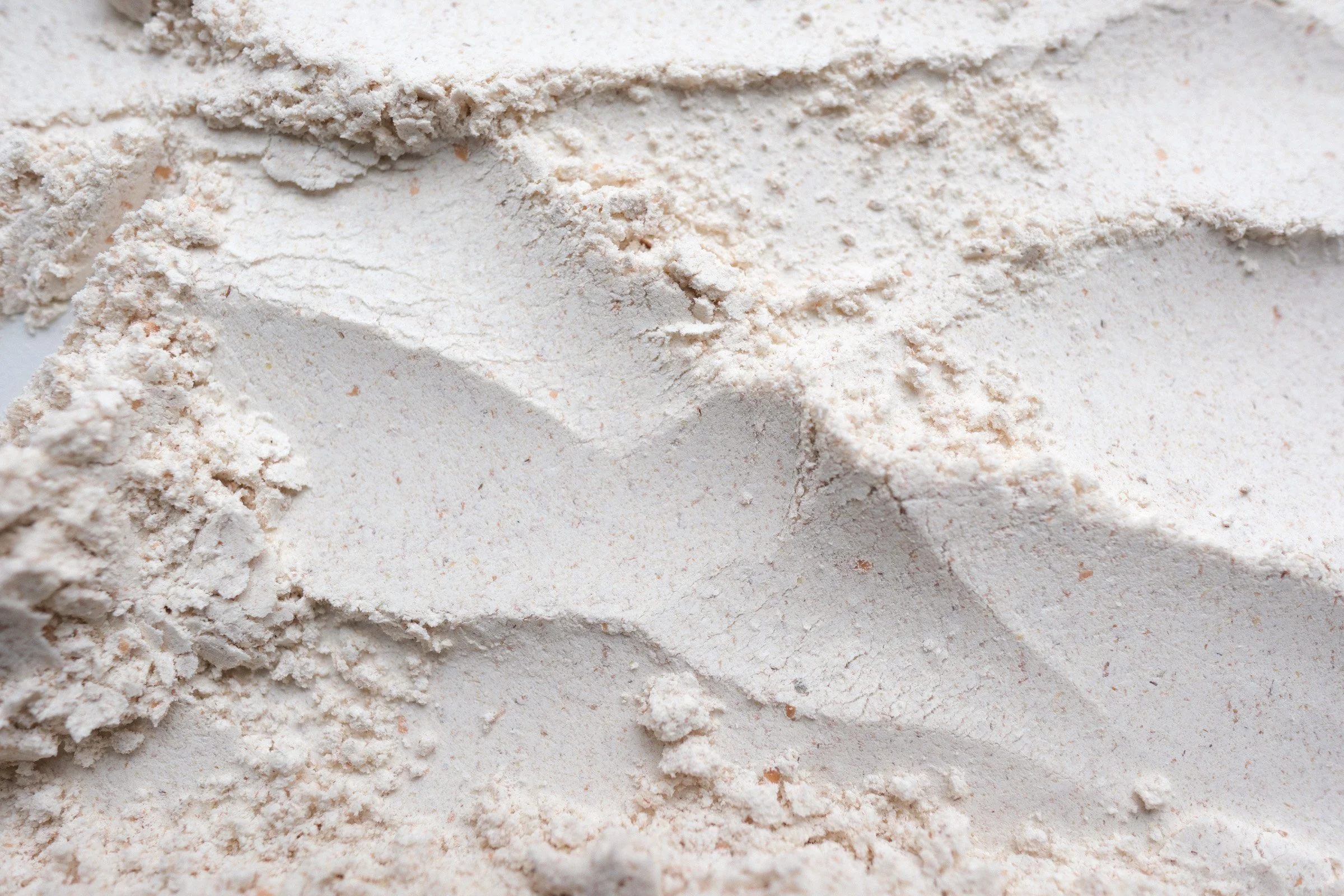
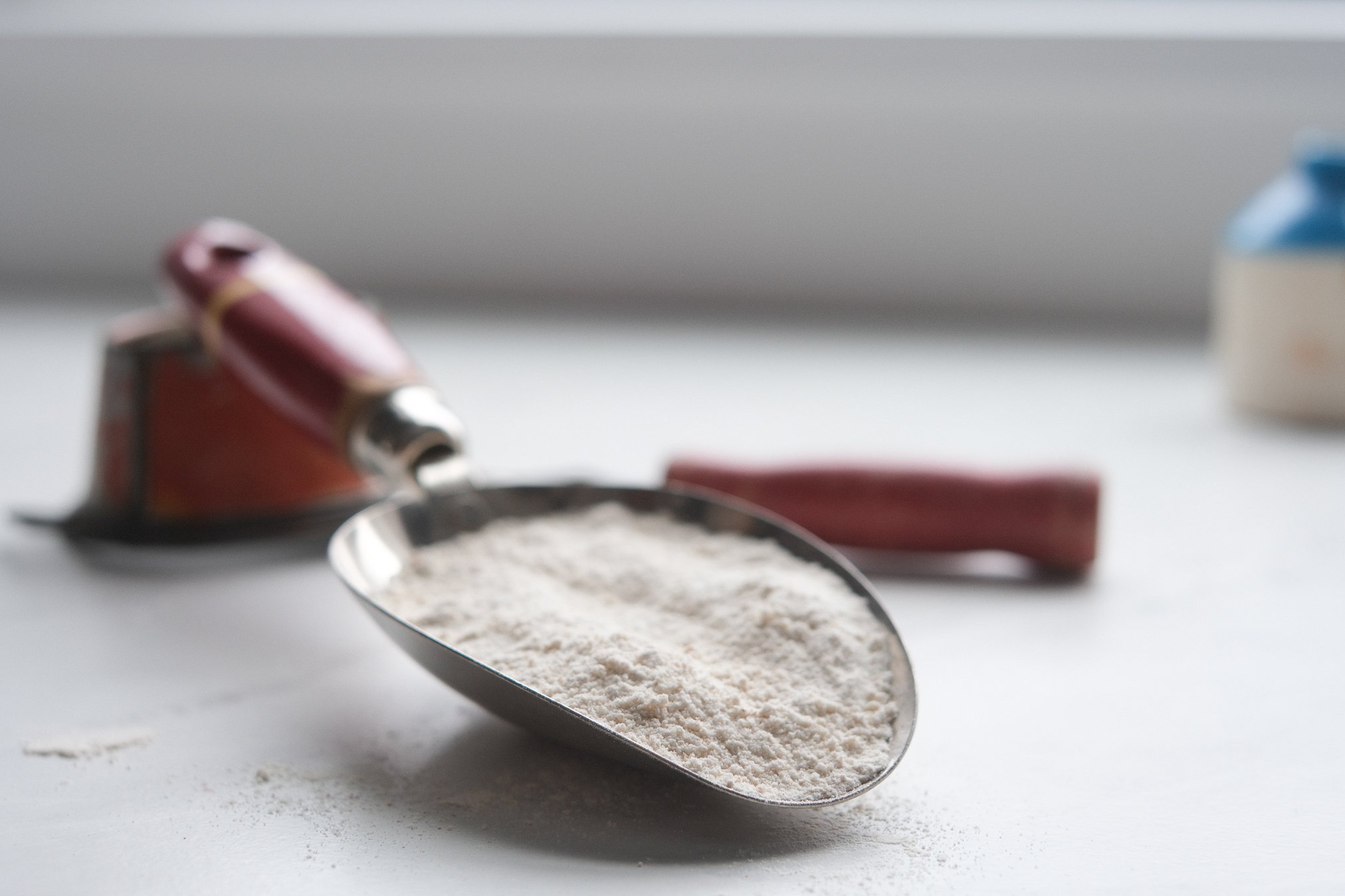
Our flour is raw and pure. We use certified organic grains and our process begins and ends with stone milling. It takes under a minute for grain to go through our granite mills and sifters, ready to be bagged. Our flour is unbleached, non bromated, and has nothing added. The flour stays naturally rich in nutrients due to the bran (the shell of the grain) and germ remaining in the milling process. It all gets milled into the bag, giving our flour its creamy warm color.
-
Half White / High extraction Bread Flour: 12%
Whole Wheat Bread Flour: 12%
All-Purpose Flour: 10%
Pastry Flour: 8%
Products like Rye, Spelt, and Einkorn are “ancient grains”. Their gluten-protein is less evolved, so it does not act the same in baking, and is thus less important information for the baker.
-
Short answer: This is the name of our sifted bread flour.
Long answer: We use the terms “high extraction” and “half white” interchangeably for our sifted bread flour. It is a flour milled from a carefully mixed selection of hard wheat varieties, and then sifted to remove large pieces of bran to improve baking characteristics.
We don’t call our flour “white” (although be aware that several retailers do label it that way on the shelf!) because it is produced very differently than commercial white flour. Modern commercial mills use roller milling to remove 100% of the bran and germ (the healthiest parts) from the endosperm (the starch) before milling the endosperm into that paper white flour. Sometimes this flour is even bleached for whiteness. These flours will last on the shelf indefinitely because they have little nutritional value. After the removal of the bran and germ, this process yields about 70lb of flour from 100lb of grain, so it is also called 70% extraction.
Our process of just sifting out the large pieces of bran yields about 85lb of flour from 100lb of grain, aka 85% extraction or High Extraction compared to white flour.
The name “half white” comes from the flour being about half way between commercial white flour and whole wheat flour (which is 100% extraction).
-
They are actually milled the exact same way, from the same grain (see “What is your “high extraction” flour?” above for more details on that), but then we just skip the sifting. So 100lb of grain yields 100lb of flour, aka 100% extraction. So all the nutritional value of the grain is transferred into the flour, but there will also be larger flakes of bran in the final product.
-
Your certainly can! If you are used to using another brand of white bread flour, but are interested in something more flavorful, start by mixing our flour in smaller amounts to see if you notice any changes in your bakes structurally. Because stone milled flour acts a little differently we recommend experimenting and also reading our best practices guide, for things to pay attention to!