A wheat berry’s
most excellent journery
THROUGH STONES AND SCREENS
TO A BAG FOR YOU
“Transparency has to be accompanied by skill or else local might just mean lousy. Craft farming and milling and baking are critical to the revival of local wheat.”
-Amy Halloran, “The New Breadbasket”
Milling Flour from a Wheat Berry
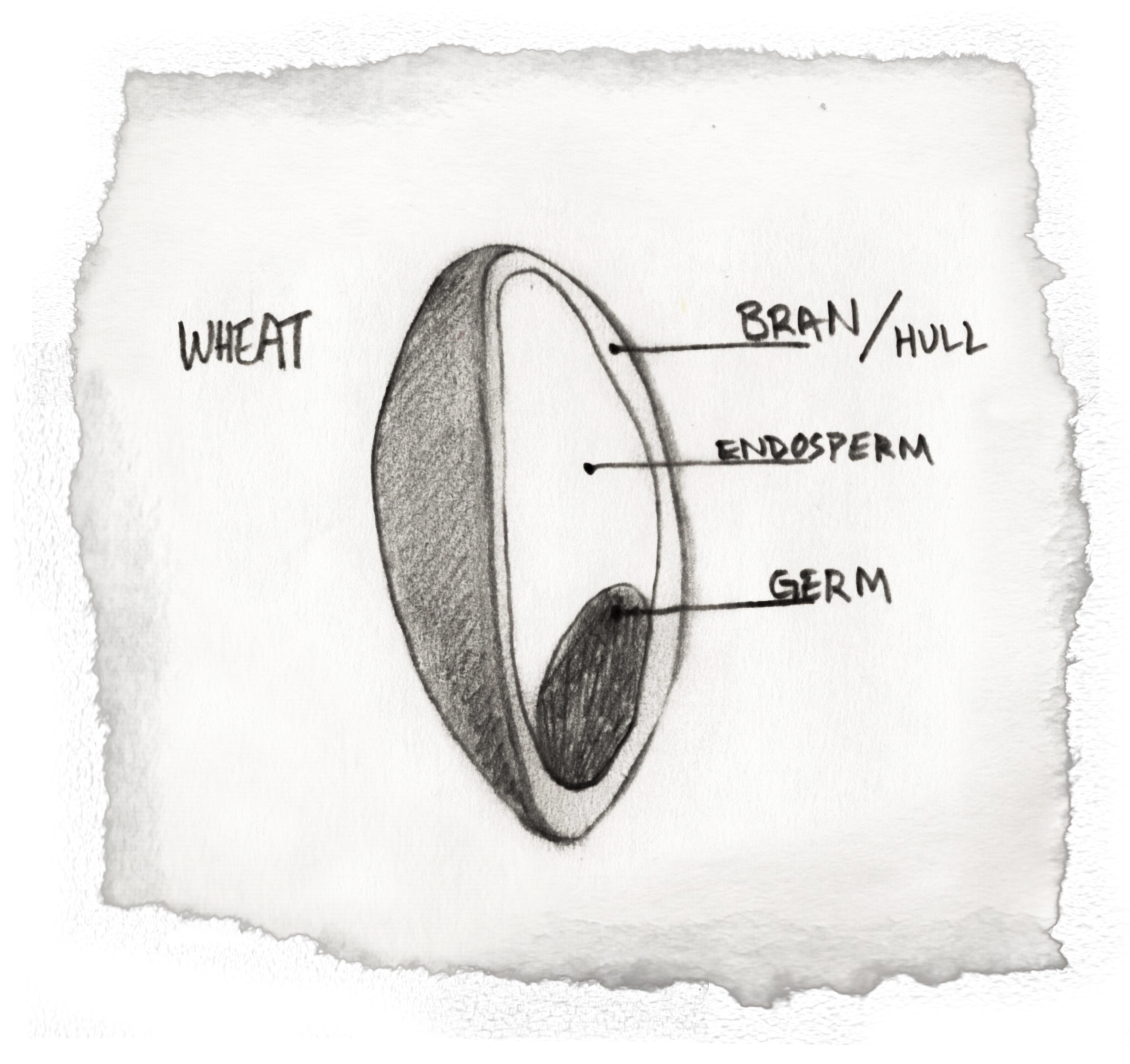
We refer to a whole kernel of wheat, as a “berry”
The Germ is nested at the bottom of the teardrop shaped seed. It is the embryo that would sprout into the next plant.
The Germ is packed with healthy fats, oils, and nutrients.
The Bran is the protective outer shell of the seed. It is rich in fiber, flavor, antioxidants, and minerals.
Bran helps us digest baked goods.
The Endosperm is the food and energy source for the growing wheat plant. This starchy section is what we think of as powdery white flour, after it’s milled.
The starch provides energy for us, energy for the plant, and is full of a gluten protein matrix that gives strength to our baked goods.
There are two common ways to mill flour from a wheat berry:
Stone Milling and Roller Milling
It is important to note that neither one of these processes are inherently “bad” or “good”
Stone Milling is what we do at Farmer Ground Flour. We will guide you through the basic steps of the process below, so that you can visualize what this might look like.
We grind the wheat between granite stones. The whole berry or grain goes into the mill stones; bran, germ, starch, and all.
We then send that ground flour through sifter screens to remove some of the larger bran pieces, depending on the type of flour we are bagging. Every product is whole grain.
Roller Milling is the most common system for milling in the US, and is almost certainly used for any “white flour” that you find on the shelves at the grocery store.
All Pictures were illustrated by our miller Makayla Bunce. Click when the clicking is good, to learn more about that milling moment.
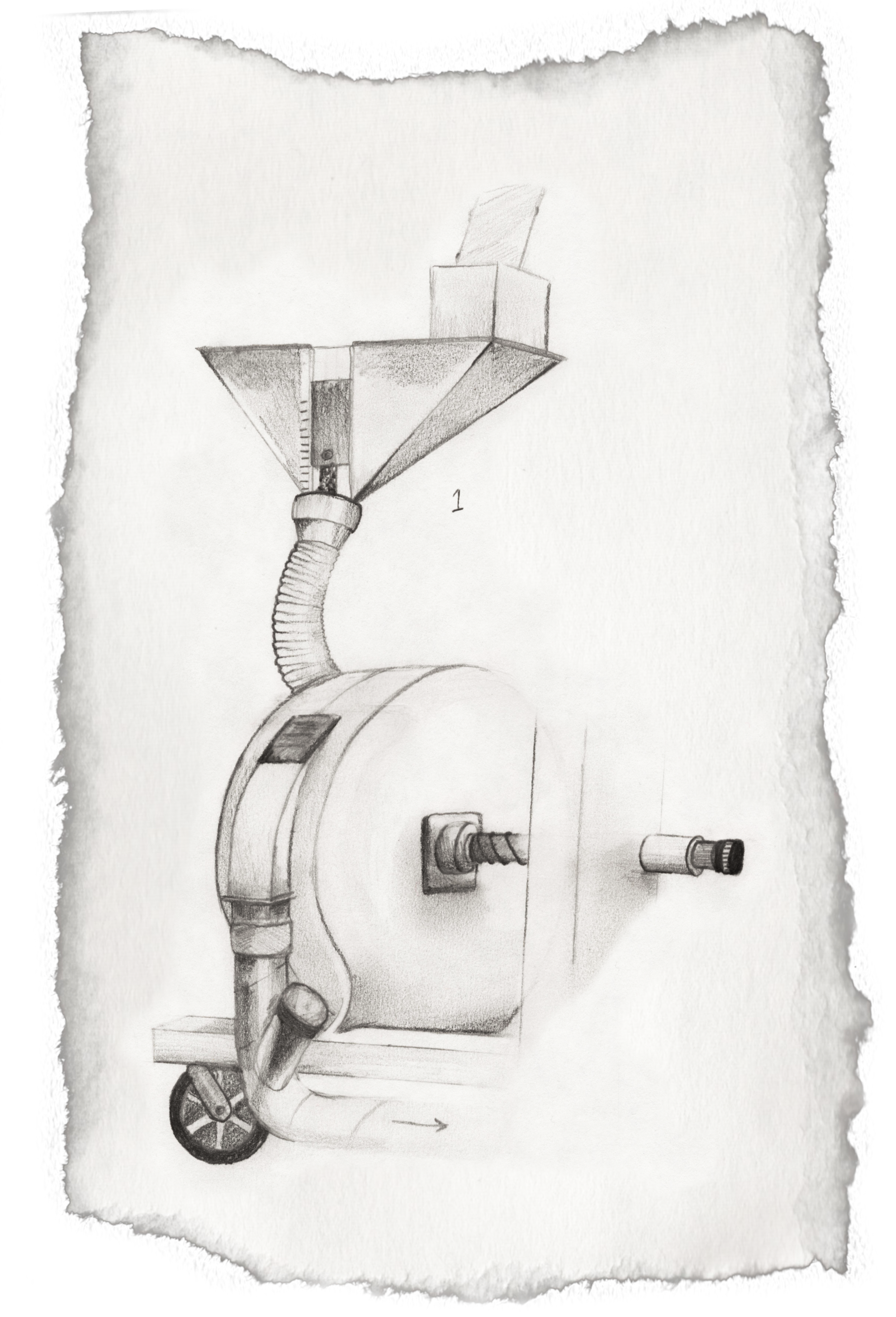
The First Break
The Second Break
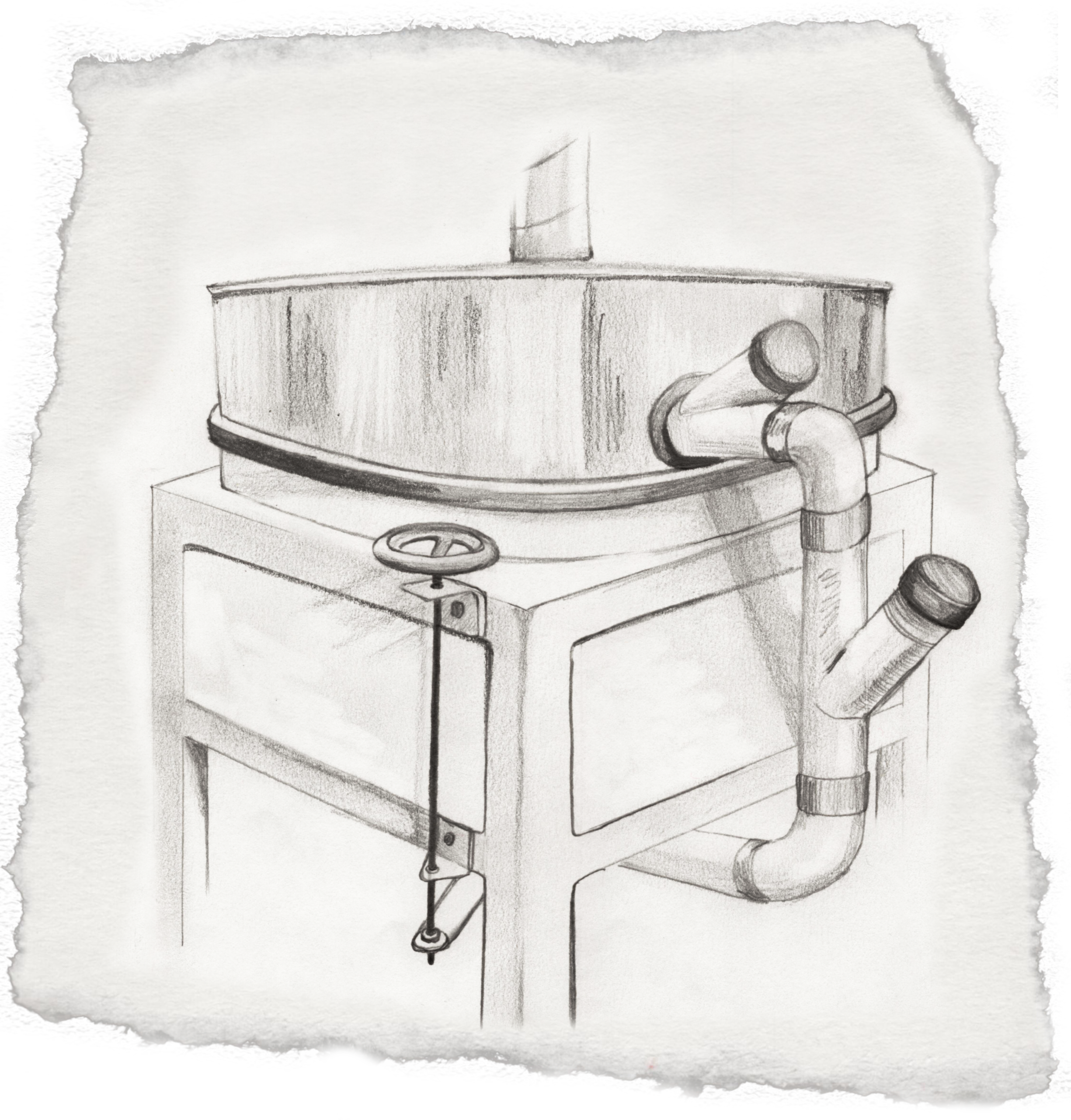
The Sifter Screens
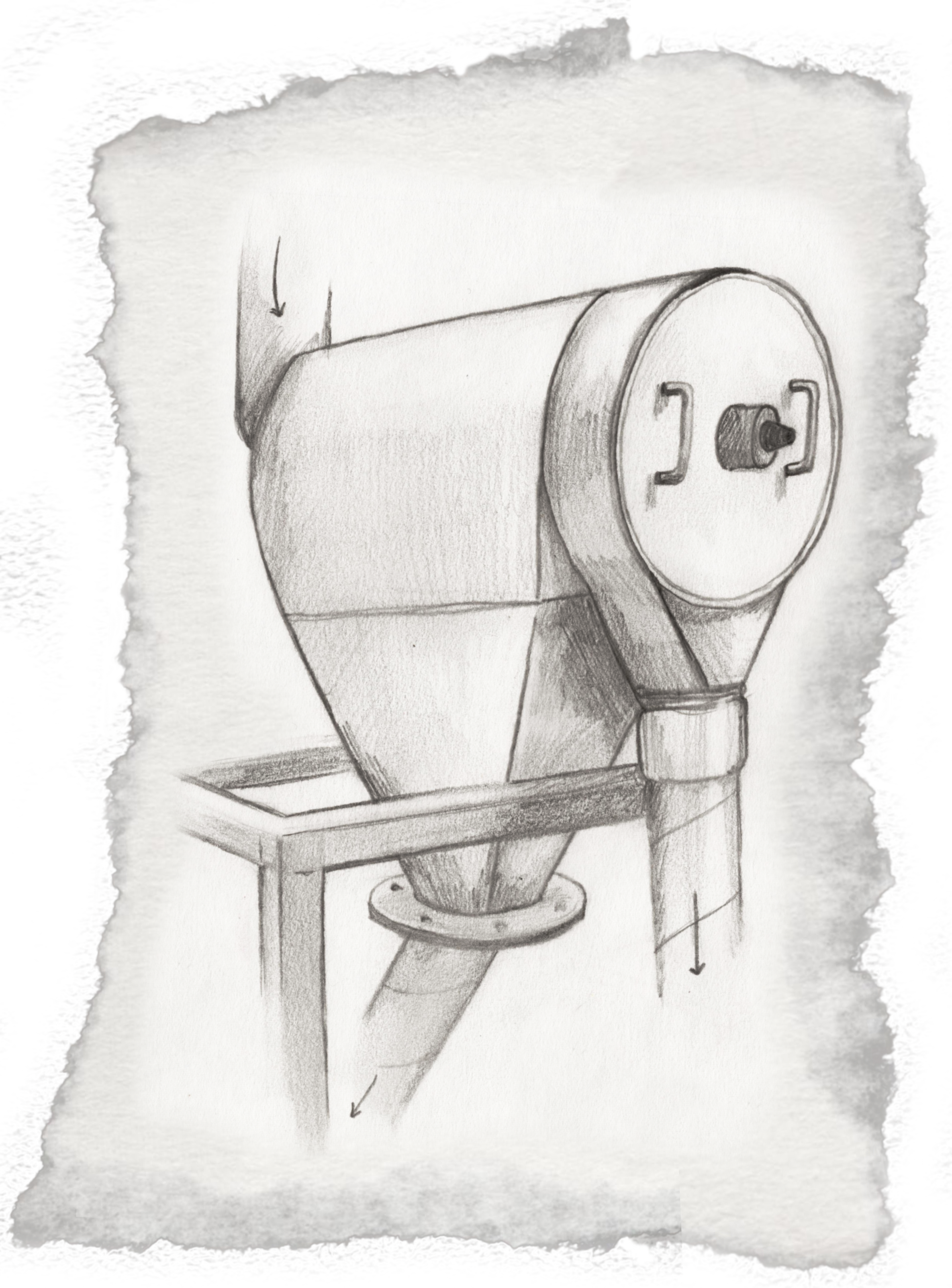
The Bagger
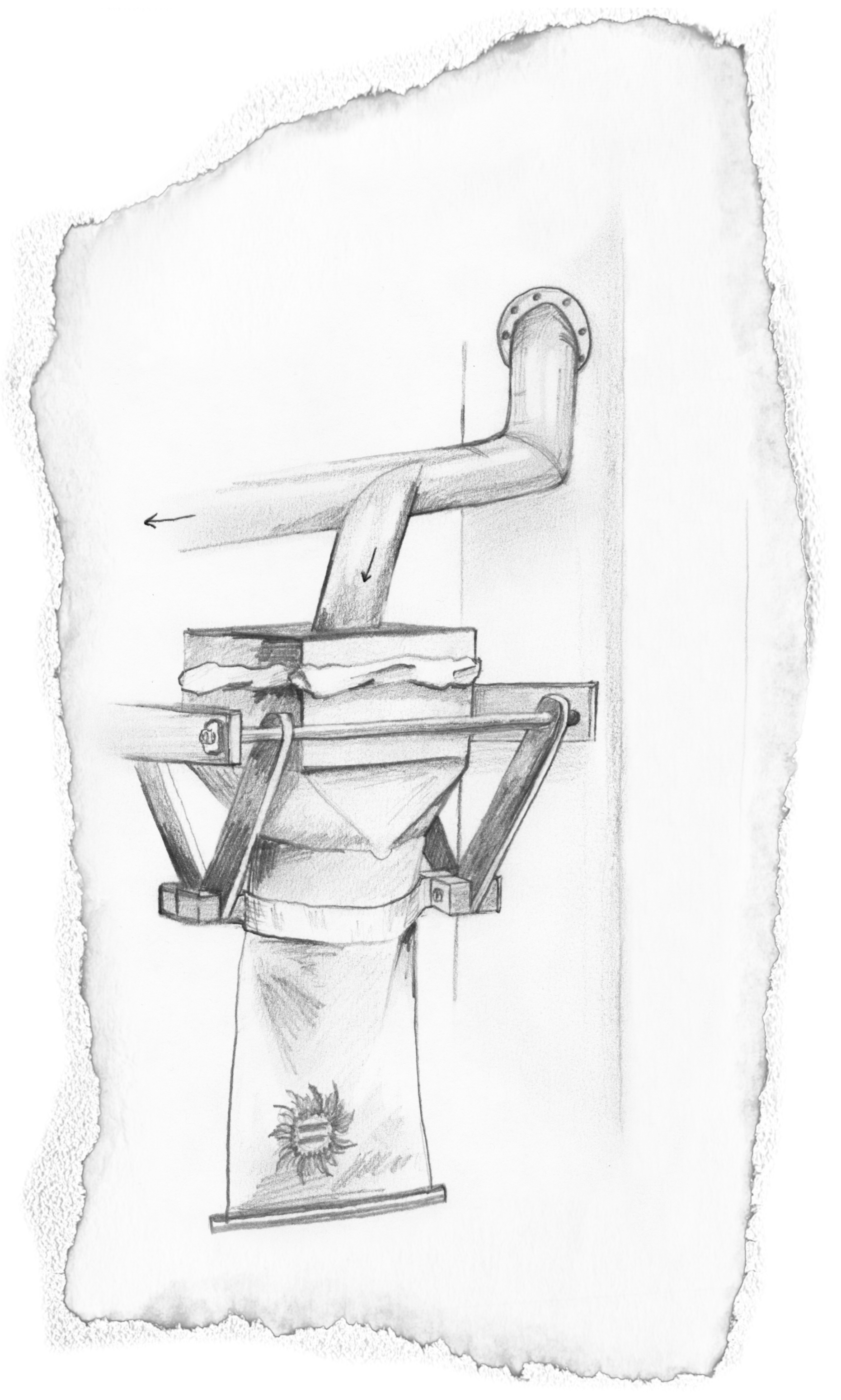
2 LB Bags
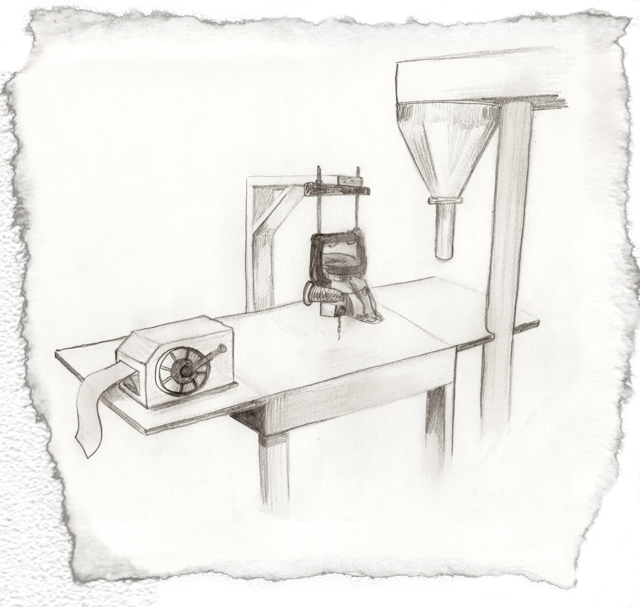
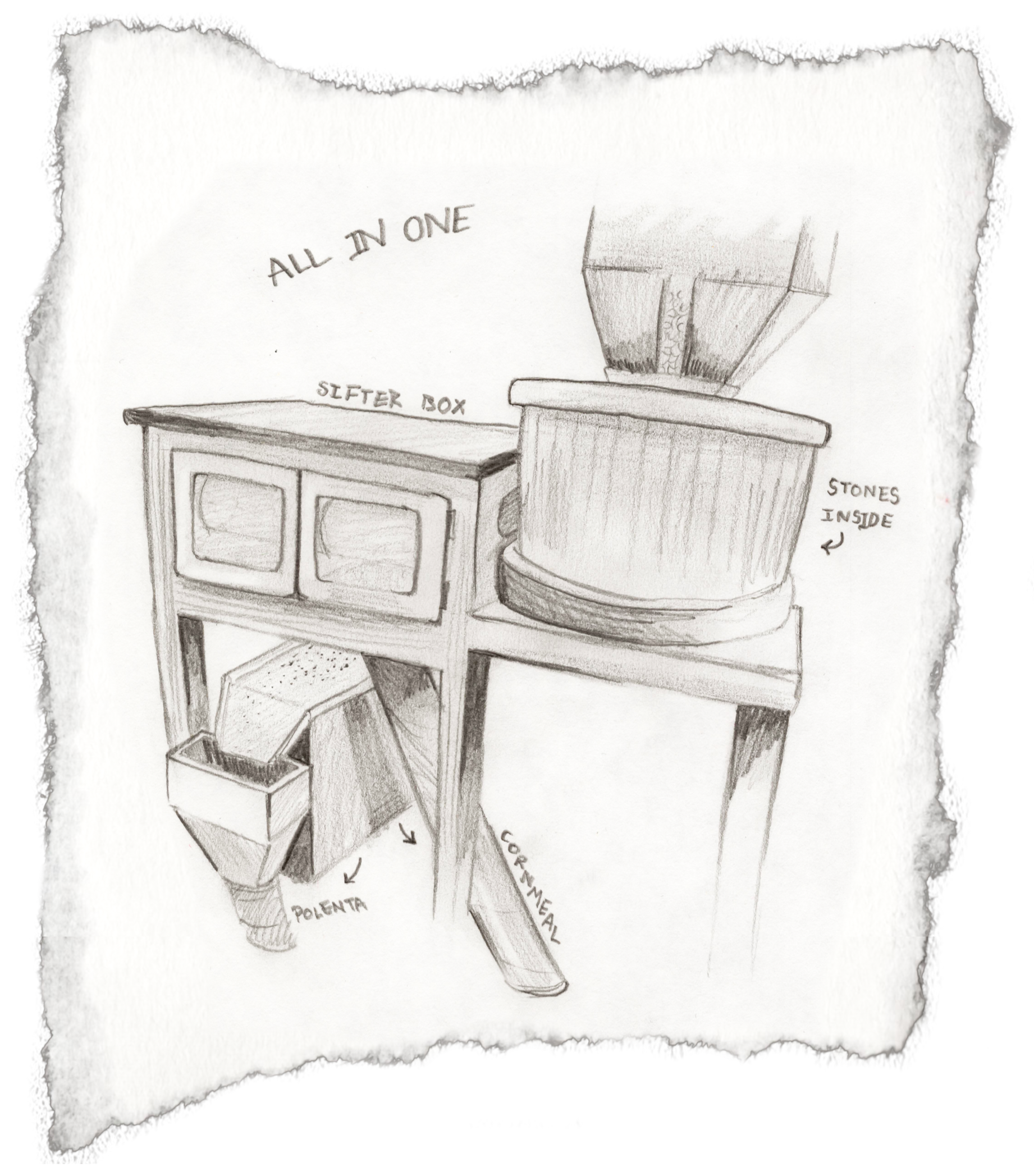
The Corn Milling System
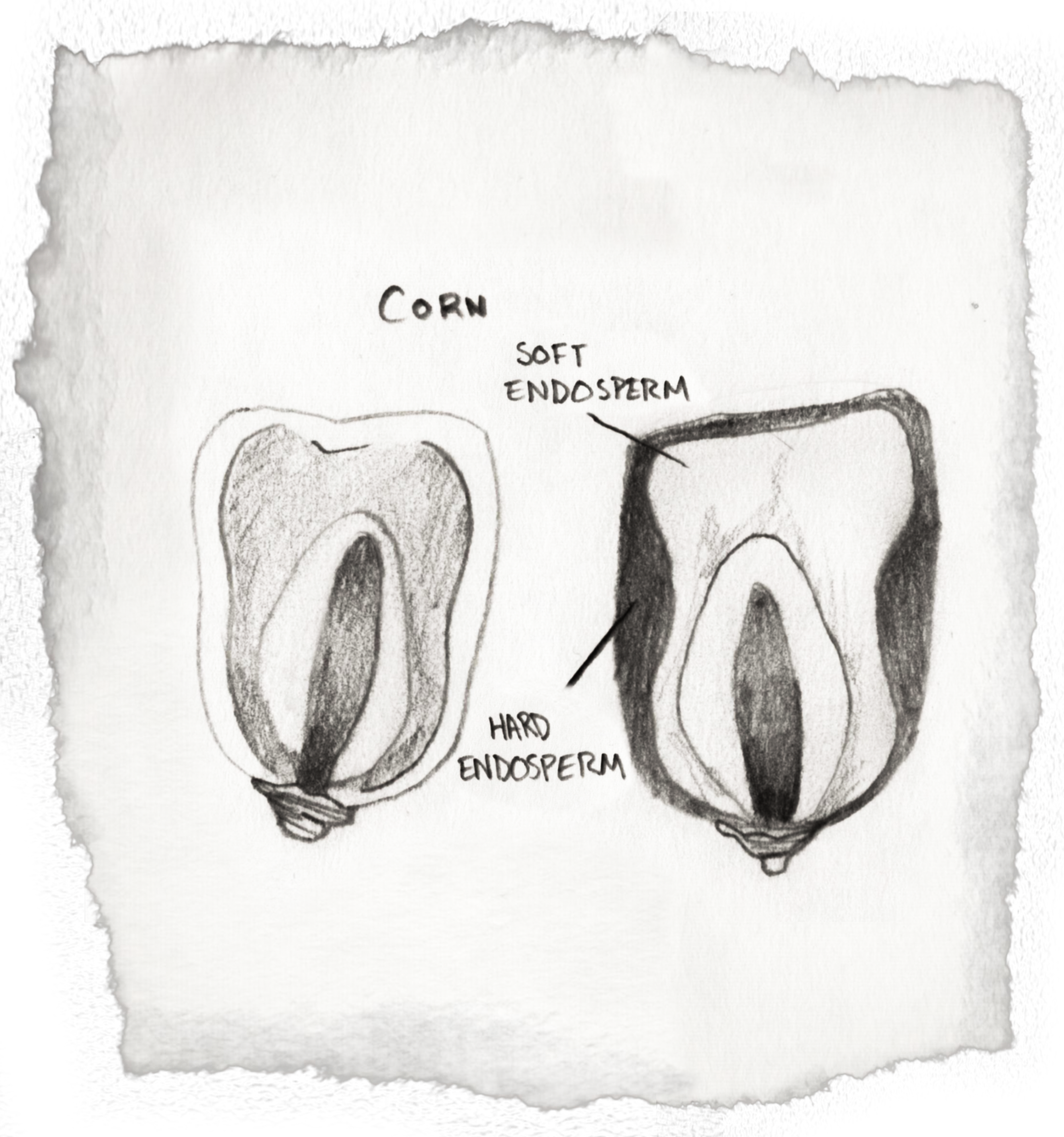
This is an inside look at a whole corn kernel
Most corn products are de-germinated for longer shelf-life. We keep the germ and hard endosperm in our corn products. This gives them a richer taste and retains all of the oils and nutrients.
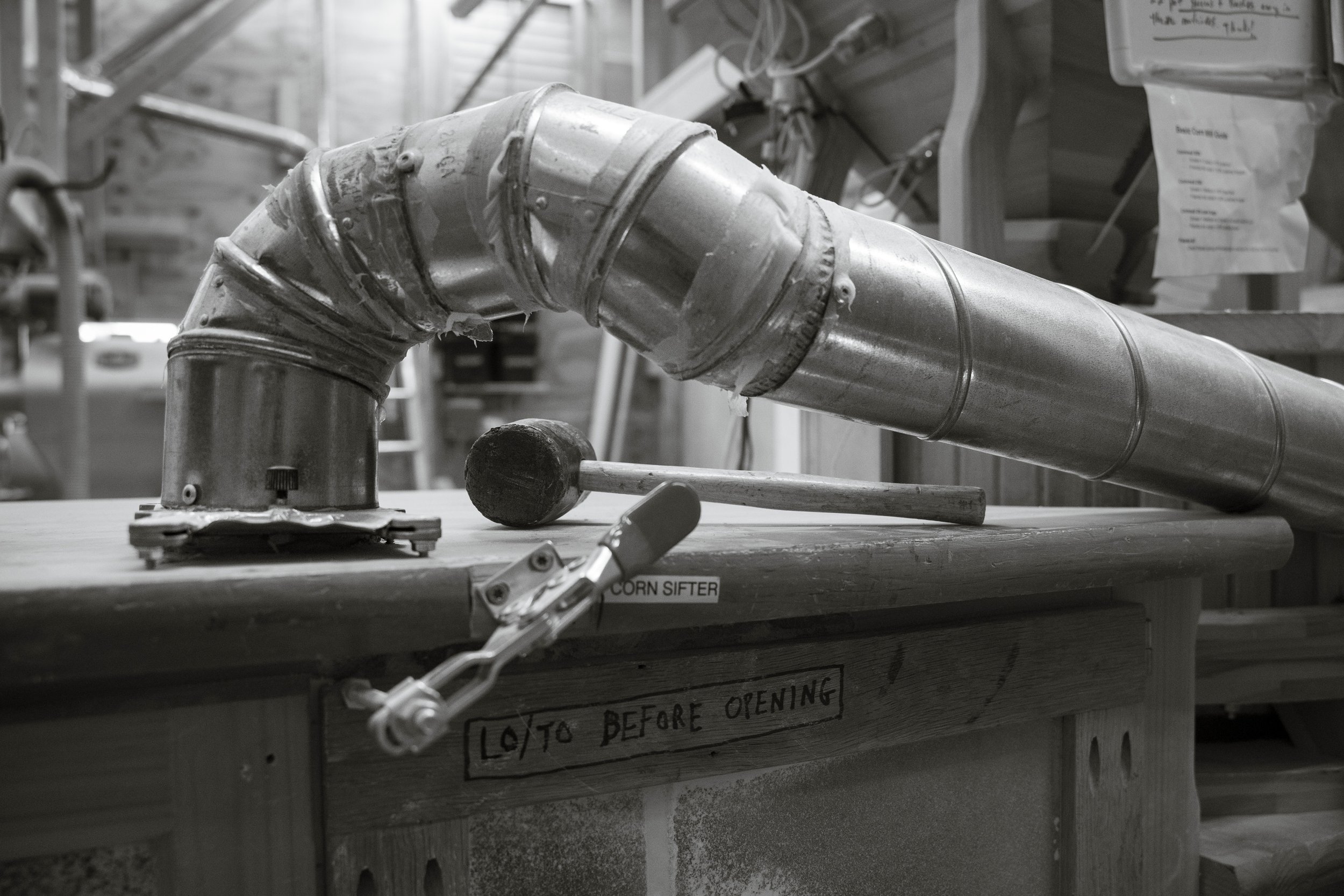
Corn has a coupled system for milling and sifting